
Poor Cleaning of Peristaltic Pumps Risks Contamination in Food Processing
Hygiene in food and beverage manufacturing is an absolute must, as it ensures both safety and secures trust in the brand. Of the many solutions available for fluid handling, peristaltic pumps have become an optimal selection for use in hygienic applications because these pumps are gentle and pollution-free. Syrups, sauces, dairy products, concentrated flavors, and even slurry laden with particles are some fluids that these pumps transport.
Inadequate or infrequent cleaning, however, poses serious food safety risks such as contamination, clogging, and unexpected shutdowns of the peristaltic pumps which leads to serious product losses. This article dives into the risks of poor cleaning, the specific issues it can cause in peristaltic pumps used in the food industry, and how manufacturers can prevent such problems with proper practices and equipment.
What Problems Can Incomplete Cleaning of Peristaltic Pumps Cause?
Peristaltic pumps are often referred to as hygienic pumps because they maintain the cleanliness of the product they handle. However, their cleanliness is a function of the pump’s tubing and the cleaning methods employed. In the food industry, even tiny amounts of trace contaminants or microorganisms can derail the entire production line.
Residue Buildup Inside the Pump Tubing
Evidence of negligence to carry out effective cleaning includes residue remnants building up within the pump’s tubing. Tubing associated with sugar syrups, oils, ketchup, and fruit purees can be thickly coated with sticky or greasy films. Thus, tubing can accumulate layers of such residues, forming sludge. This sludge will thickening to the point where it constricts the peeling tube. Apart from slowing down flow rates, this thickening will result in dosing mistakes and eventually total tubing blockage.
Additionally, the scorching hot temperatures commonplace in food processing plants will harden these residues, making them even more challenging to remove in routine clean-ups.
Bacterial Growth and Cross-Contamination
Perhaps the most serious consequence of inadequate peristaltic pump cleaning is the growth of harmful microorganisms. Residues leftover in the tubes provide an excellent substrate for the microorganisms to thrive. These include Listeria monocytogenes, Salmonella, and E. coli. Relatively warm and humid environments enable these bacterias to reproduce exponentially.
Cross contamination becomes a serious problem if the same pump is used to process different foods without proper interval cleaning. A batch of dairy product could harbor remnants of an earlier fruit juice blend which can change flavor, coloring, allergenic properties, and more critically, introduce microbes which could threaten shelf stability as well as food safety.
Tube Blockage or Abnormal Pump Pressure
As microbial life proliferates or residue accumulates, there is an obstruction of the flow channel within the tubing. This increases back pressure on the pump, forcing it to expend additional energy to move fluids. Ultimately, this can cause overheating of the motor, excessive wear on the rollers, or even burst tubing.
Moreover, the accuracy of metered dispensing systems can be affected, especially with dosing processes requiring precision which are critical for flavoring or additive infusion. Flows can change constantly and at times, spikes in pulsation can occur.
How to Prevent Blockage and Contamination Caused by Inadequate Cleaning?
Ensuring the sanitation of the food-grade peristaltic pump systems entails proper material choice, scheduled maintenance, and properly defined cleaning protocols. Below are four practices which when observed can significantly lower the likelihood of exposure to contamination and machine downtimes.
Establish Standardized Cleaning Procedures (SOPs)
To ensure the effective and efficient cleansing of the food-grade pumps, manufacturers must develop precise repeatable SOPs. These SOPs encompass:
- Cleaning frequency (e.g., after every batch or every shift)
- The rinsing and flushing stages to remove product residues and waterjet through-shutoff valves.
- Defined use of detergents (alkaline, acidic, enzymatic).
- Rinsing followed by sanitization through hot, steam, or chemical application.
Integration of Clean in Place (CIP) systems into the processing line, when feasible, is advisable. Peristaltic pumps and other CIP compatible pumps can accept cleaning solutions without requiring disassembly, improving consitency, efficiency, and lowering labor costs.
However, even with CIP, pumps that handle high viscosity and slurries require manual verification and visual checks which are critical.
Choose Food-Grade, Heat-Sterilizable Tubing
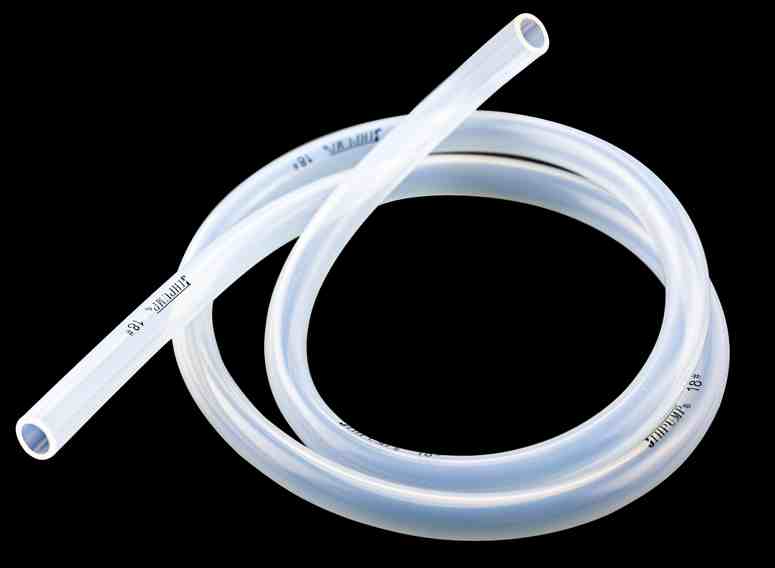
Not all materials of the tubing are the same. In the food and beverage industry, only food grade pump peristaltic tubing should be used. One of the most commonly recommended materials is platinum-cured silicone tubing for food pumps. Its advantages include:
- Flexibility and fatigue resistance
- High temperature tolerance (suitable for steam sterilization)
- Non-reactivity with acidic or alkaline food products during use
- Smooth internal surface to reduce adherence of residues
Sometime these attributes can also be found in thermoplastic elastomers TPE or fluoropolymers such as PTFE.
Regularly Replace Tubing and Inspect the Pump Head
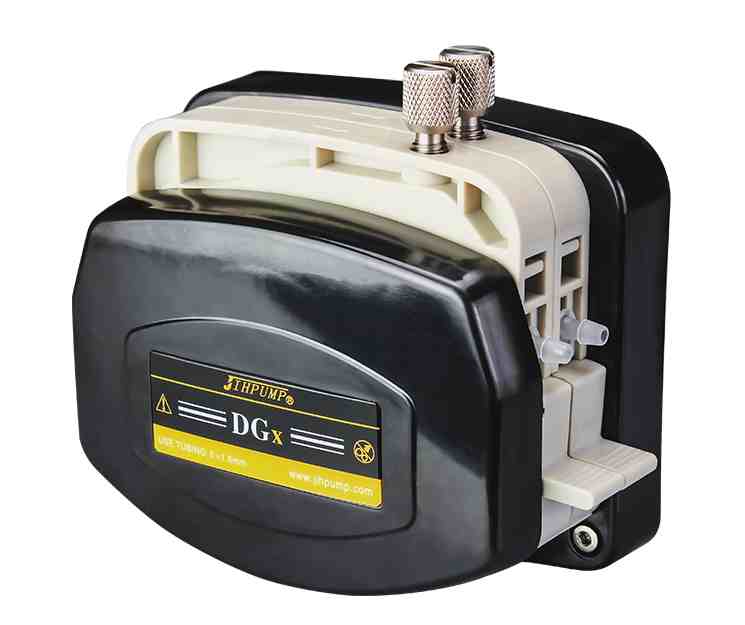
Even high-quality silicone tubing degrades over time. Repeated compression from rollers weakens the tube wall, while cleaning chemicals may slowly erode the material. To avoid failures, create a preventive maintenance schedule based on:
- Pump operating hours
- Volume throughput
- Product type (abrasive, sticky, high-pH, etc.)
Also, don’t overlook the pump head itself. Accumulated product behind rollers or on pump housing can become a contamination source. Inspect regularly for visible buildup, wear, or microbial hotspots.
Use Easy-to-Disassemble or Self-Cleaning Pump Heads
Design matters. Choosing a peristaltic pump with a quick-disassembly head or automatic cleaning features can significantly reduce cleaning time and improve hygiene reliability.
Some advanced pumps are equipped with:
- Hinged or tool-free covers
- Drain ports for flushing
- Transparent housings for easy inspection
- CIP/SIP-compatible components
For OEM systems or modular production lines, incorporating such hygienic design principles helps meet HACCP and GMP standards more easily.
Final Thoughts

In food manufacturing, the slightest mistake may result in grave repercussions. Although peristaltic pumps are clean by nature, their tubes require proper scrubbing and maintenance to uphold the food hygiene standard.
The risks of improper cleaning are both operational and regulatory—from residue stagnant buildup and bacterial proliferation to pressure spikes and tube failure. With appropriate food-grade tubing, system-specific pump design, and structured scrub protocols, manufacturers can ensure clean and reliable pumping systems.