
Small Peristaltic Pump: Applications, Benefits, and Buying Guide
When even a single drop of liquid can affect experimental results, when the flavor of a cup of coffee depends on milliliter-level precision, and when medical devices demand absolutely clean and accurate fluid delivery, you begin to notice a seemingly small yet essential component working behind the scenes: the small peristaltic pump.
Unlike traditional pumps, it operates with a simple yet ingenious mechanism, compressing flexible tubing to move fluids, achieving precise, contamination-free transfer.
In this article, we will explore the working principle, key advantages, typical applications, and selection tips for small peristaltic pumps, helping you quickly find the most suitable solution for your needs.
Part 1. Key Advantages of Small Peristaltic Pumps
In the ever-changing field of precision fluid control, small peristaltic pumps have become a vital component in a variety of different sectors due to their special working principle and reliable working performance. Below is a detailed introduction to the major advantages of small peristaltic pumps.
1. High-Precision Flow Control
Small peristaltic pumps can be used to achieve stable and precise micro-volume fluid delivery through precise control of the rollers’ speeds and tube types. The pumps can be used to deliver milliliter-scale or even smaller flow rates with high consistency. This has made them suitable for various applications, such as dosing, analysis, and control systems, where precision is critical.
Additionally, small peristaltic pumps can be used to regulate speeds, thus making it easy to integrate them with smart devices.
2. Contamination-Free Transfer
Since the fluid is only in contact with the inner wall of the tubing during operation, it is not in contact with any other part of the pump. This is the fundamental way in which the possibility of cross-contamination is eliminated.
Therefore, it can be said that small peristaltic pumps can be especially useful in industries that have high standards of hygiene and purity to maintain. The choice of tubing material can vary according to the type of fluid.
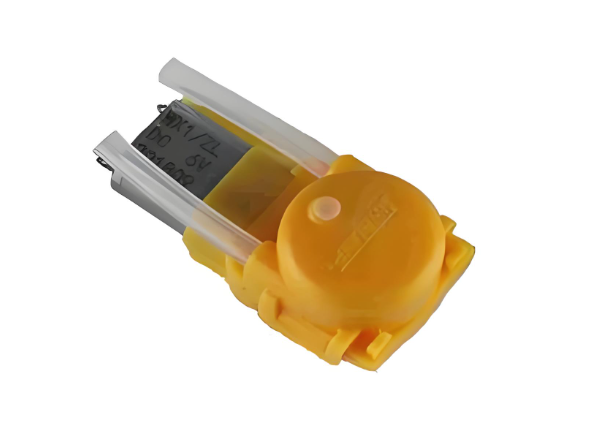
3. Easy Maintenance
In comparison with conventional pumps, small peristaltic pumps have a simple structure and do not require complex disassembly and cleaning. Routine maintenance is limited to periodic inspection and replacement of the tubing.
In this case, there is a reduction in downtime and operation costs. Moreover, the absence of valves and seals in contact with the fluid reduces the rate of wear and failure.
4. Compact Design
The small size of peristaltic pumps makes them compact, lightweight, and flexible in installation. The pumps are best suited for embedding in other systems or for applications where space is limited.
The compact size of peristaltic pumps does not only make them flexible for system design, but it also helps in the trend toward miniaturization in most equipment.
Part 2. Common Applications of Small Peristaltic Pumps
As the demand for precision fluid control continues to grow, small peristaltic pumps have evolved from being mere auxiliary tools in laboratories or industrial equipment to becoming core solutions for fluid handling across various industries. Below, we detail the typical applications of small peristaltic pumps in different fields.
1. Laboratory and Scientific Research
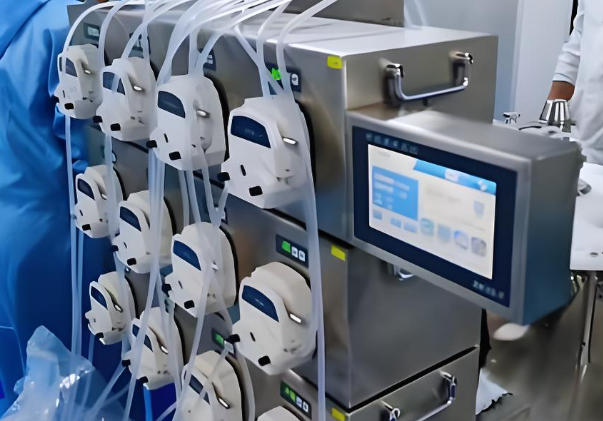
In laboratories and scientific studies, small peristaltic pumps are employed for precise fluid handling, quantitative additions of chemical reagents, and biological studies. The precision and accuracy offered by small peristaltic pumps ensure precise and accurate results, thus avoiding errors in experiments.
In addition, small peristaltic pumps can be integrated with automated laboratory devices for continuous long-duration fluid handling, thus increasing efficiency in scientific studies.
2. Medical Devices
Peristaltic pumps are used in infusion equipment, blood analyzers, and automated diagnosis equipment. The small peristaltic pumps are used because they are safe and accurate in their operation, and this makes them suitable for the medical field, where precision and safety are required in a contamination-free environment.
3. Aquariums and Automated Dosing Systems
In the aquarium field, small peristaltic pumps are used to automatically add minerals, such as calcium and magnesium, and maintain water quality. These pumps can also be used to automatically top up the water in a sea water tank.
These pumps provide accurate and timed control over fluids, thus reducing errors and providing a stable and controllable environment for coral tanks, sea water tanks, and high-end aquatic systems.
4. Coffee Machines and Beverage Equipment
In contemporary commercial coffee makers and other automated beverage dispensers, small peristaltic pumps for coffee machines are used for precise functions. They are used for dispensing different flavored syrups, such as vanilla and caramel, and controlling the amount of milk, cream, and other flavored liquids.
They are more efficient and safe compared to other pumps because they are food-grade safe and require minimal maintenance.
5. Food and Beverage Industry
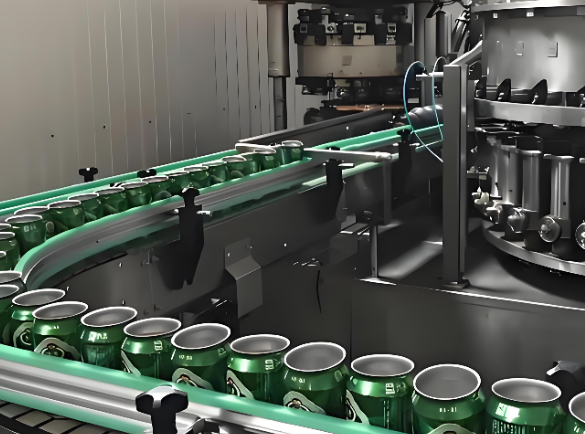
In the food and drink processing industry, small peristaltic pumps are used to transfer syrups, flavoring liquids, edible oils, and other liquids. The contamination-free design of peristaltic pumps ensures hygiene and safety, and accurate control of the liquids ensures the exact ratio of ingredients, thus maintaining the taste and quality of the product.
6. Industrial Dosing Systems
In industrial applications, small peristaltic pumps can be used in various applications such as water treatment and chemical dosing. The pumps allow for the control of chemicals in online dosing and production.
In water treatment systems, the pumps can dose chemicals such as disinfectants and pH adjusters to ensure the safe and proper operation of industrial processes.
Part 3. How to Choose the Right Small Peristaltic Pump?
Selecting the right small peristaltic pump requires a comprehensive consideration of several key factors based on the specific application, ensuring precise, stable, and safe fluid delivery.
1. Flow Rate
Select a suitable flow rate that matches your specific operational requirements. The laboratory dosing method requires micro-volume delivery which uses milliliters per minute (ml/min) as its measurement standard. The industrial processes together with food and beverage applications require medium flow rates that can achieve liters per hour (L/h) capacity.
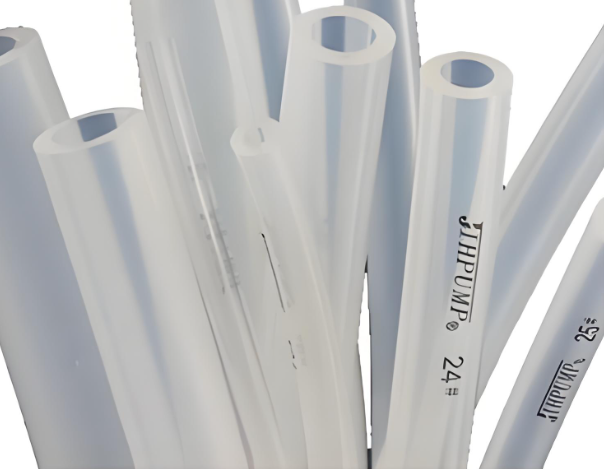
2. Tubing Material
Different liquids and industries require different tubing materials:
Silicone tubing: Highly versatile and suitable for most laboratory and industrial liquids.
Fluororubber tubing: Highly corrosion-resistant, ideal for strong acids, bases, or chemical reagents.
Food-grade/medical-grade materials: Meet the hygiene and safety requirements for beverage processing or medical fluid applications.
3. Control Method
Select the control method according to operational needs:
Manual speed control: Simple, economical, and suitable for basic applications.
PWM control: Allows precise speed adjustment for more stable flow.
Digital control system: Supports automation and remote control, suitable for high-precision or smart devices.
4. Pump Head Configuration
Single pump head: Suitable for basic applications with a single fluid channel.
Multiple pump heads: Ideal for multi-channel or simultaneous delivery of different liquids, improving efficiency and flexibility.
Considering these factors, flow rate, tubing material, control method, and pump head configuration, you can quickly select the small peristaltic pump best suited for your specific application.
Part 4. Differences Between Small Peristaltic Pump and Mini Peristaltic Pump
Although small peristaltic pumps and mini peristaltic pumps operate on the same basic principle, there are notable differences in size, flow rate, and application range.
The size of the mini peristaltic pump is generally small, with very limited space, and is intended for lightweight and micro-volume fluid handling applications. The flow rate is low, making it suitable for micro-dosing in laboratory applications, portable devices, and space-constrained applications. The pump head and control options are generally simple due to its small size, making it suitable for single-purpose, lightweight applications.
On the other hand, small peristaltic pump provides more possibilities in applications with greater flow rates and more stable and reliable performance. It is not only used in laboratory and research applications but also in medical equipment, aquarium systems, food and beverage processing, coffee makers, and other applications. It also provides more possibilities in maintenance, pump heads, and control methods, which are required for more precise applications.
| Item | Mini Peristaltic Pump | Small Peristaltic Pump |
| Size | Smaller, occupies very limited space | Compact but slightly larger, better for device integration |
| Flow Range | Lower, suitable for micro-volume delivery | Wider range, suitable for micro to medium flow rates |
| Application | Laboratory micro-dosing, portable devices | Laboratory, medical, coffee machines, aquariums, food & beverage, and more |
| Performance Stability | Basically stable, suitable for lightweight applications | More stable, suitable for long-term operation and high-precision needs |
| Control Method | Simple, usually manual or basic speed control | Flexible, supports manual, PWM, or digital control |
| Maintenance Convenience | Simple, but limited functionality | Easy to maintain, with more comprehensive features |
Overall, if your application requires a more versatile, stable, and multi-functional fluid delivery solution, the small peristaltic pump is usually recommended. The mini version is better suited for special cases where size and flow rate requirements are extremely limited.
Part 5. JIHPump Small and Mini Peristaltic Pumps
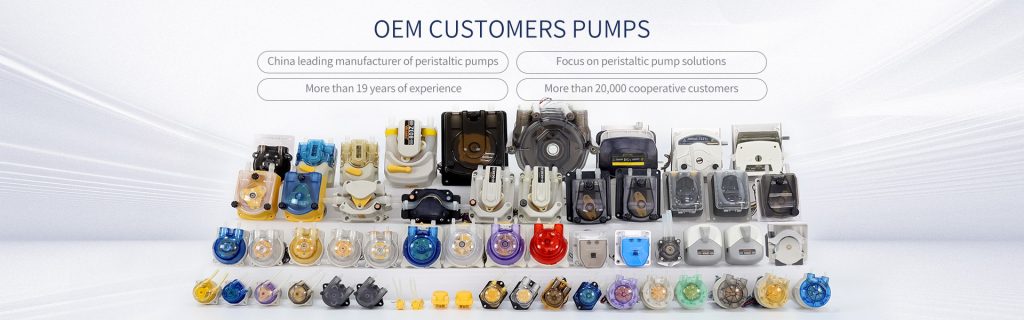
JIHPump is a manufacturing company that deals with peristaltic pumps. It has over 20 years of experience in the industry. It also deals with export business. It offers various types of peristaltic pumps, including mini and small peristaltic pumps, and other types of peristaltic pumps.
The peristaltic pumps are made of quality materials and technology. They also comply with the ISO 9001 quality management system. They also comply with CE, ROHS, and food safety. This enables them to be used in various applications. These applications include medical testing, pharmaceutical, chemical, food and beverage, coffee machine, aquarium, research and development, and industrial.
JIHPump is the preferred supplier of peristaltic pumps for many customers worldwide. It helps its clients to achieve efficient and precise control.
FAQs about Small Peristaltic Pump
Q1: Is a Small Peristaltic Pump Suitable for Continuous Operation?
Most small peristaltic pumps support continuous operation. To ensure long-term stability, proper cooling, such as ventilation or heat sinks, is recommended to prevent motor overheating.
Q2: Is Maintenance Complicated?
Maintenance is simple, mainly involving regular inspection and tubing replacement. Since the fluid only contacts the tubing, the pump body requires little cleaning, reducing costs and improving reliability.
Q3: What Is the Typical Price of a Small Peristaltic Pump?
Peristaltic pump prices vary by model and features. Basic single-head manual pumps cost tens to around $100, digital or multi-head models $150–$300, and high-end industrial pumps may exceed $500. Selection should balance application needs and performance.