
Solving High-Viscosity Glue Transfer Challenges with Peristaltic Transfer Pumps
In modern industrial production, the transfer of adhesives is a crucial step, especially in industries such as electronics manufacturing, packaging, and printing. The traditional methods of adhesive transfer often have problems such as insufficient accuracy, easy leakage, and difficult maintenance. However, peristaltic transfer pump, as a reliable engineering solution, stand out. They do not require sealing and do not cause pollution, and can effectively handle the most challenging adhesives in the industry.
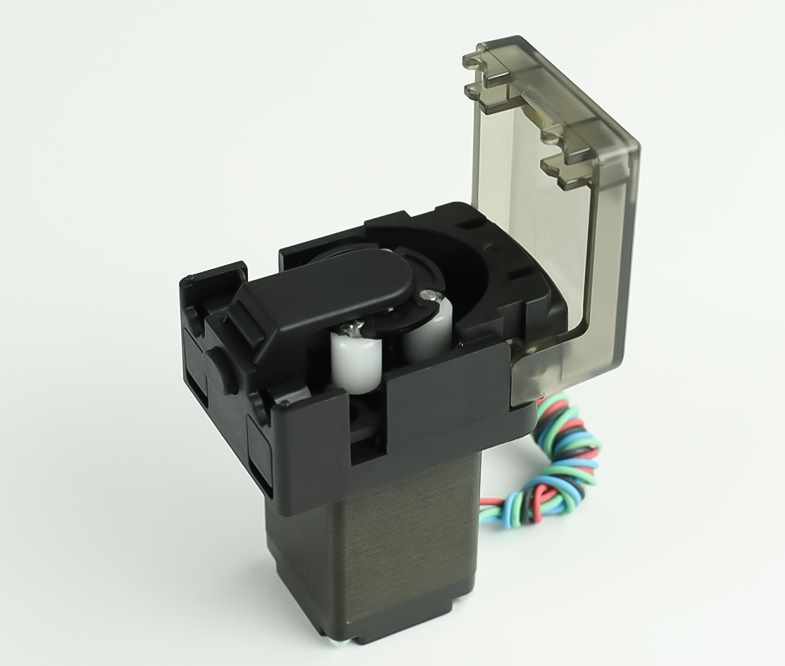
The Engineering Limitations of Traditional Glue Transfer Pumps
Positive displacement pumps in their conventional form, be they gear or diaphragm types, are often prone to system failure when dealing with highly viscous glue transportation.
- Mechanical Seal Susceptibility: Highly viscous fluids generate considerable back pressure, which causes faster wearing down of mechanical seals and ultimately leads to leaks.
- Clogging and dead zones: The valves and complex geometries within traditional pumps can create “dead zones”, where the adhesive will stagnate and solidify. This often leads to catastrophic failures of the pump or requires a significant amount of manpower for solvent cleaning.
- Shear sensitivity: Many industrial adhesives contain functional fillers or microspheres. The high shear environment of rotating gears can damage these components, thereby altering the structure or electrical properties of the adhesive.
Engineering Advantages of the Peristaltic Transfer Pump
The working principle of the peristaltic pump is based on the elastic deformation of the hose. The rotor inside the pump head drives the rollers to press the hose in sequence, causing the glue inside the hose to form a continuous fluid column and move forward. When the rollers leave the hose, the hose rebounds elastically, creating a vacuum that sucks the glue into the pump, thus achieving the continuous transportation of the glue.
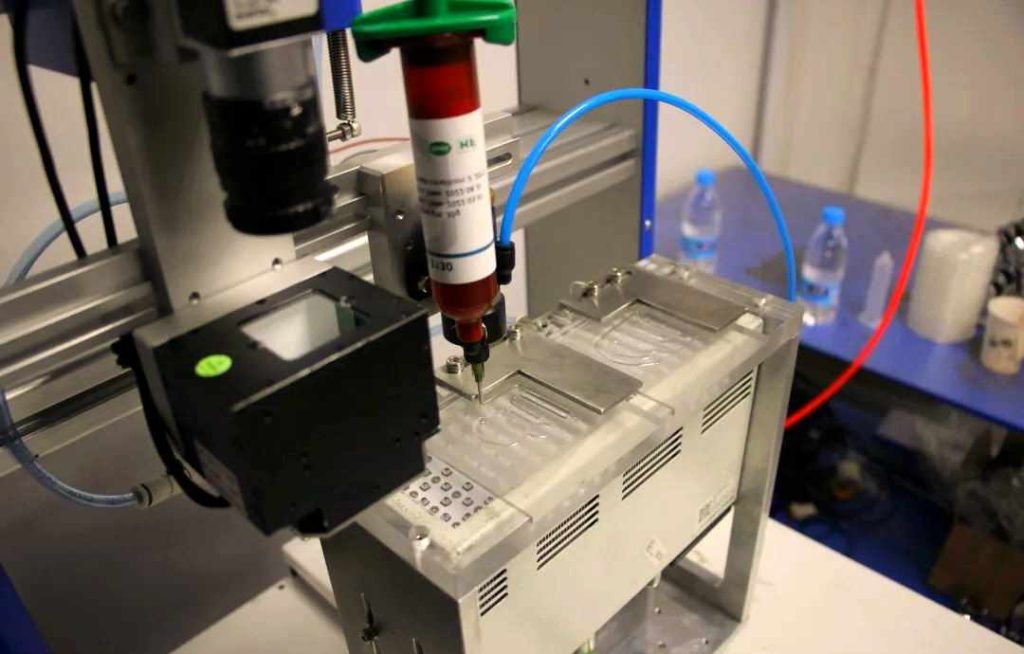
Key Technical Benefits:
- High-precision measurement: The peristaltic pump can achieve high-precision glue dispensing, with a flow accuracy of ±0.5%, ensuring the accuracy and consistency of glue transmission and meeting the requirements of precise production.
- Pollution-free design: The glue only comes into contact with the hose and does not come into contact with other components of the pump body. This avoids contamination and cross-contamination of the glue, ensuring product quality.
- Strong self-priming ability: The peristaltic pump has a powerful self-priming capability, with a self-priming height of up to 5-9 meters. It can easily suck glue from a lower container into the pump without the need for additional filling equipment.
- Maintenance is simple: The hose is the only wear-prone part of the peristaltic pump. Replacing the hose only takes 3 to 5 minutes. The maintenance cost is low, significantly reducing the downtime of the equipment.
- Bidirectional operation: Our peristaltic pump can operate in both forward and reverse directions. Without the need for additional valves, it enables the return flow and emptying of the glue, facilitating the cleaning and maintenance of the equipment.
System Selection: Engineering Parameter Matching
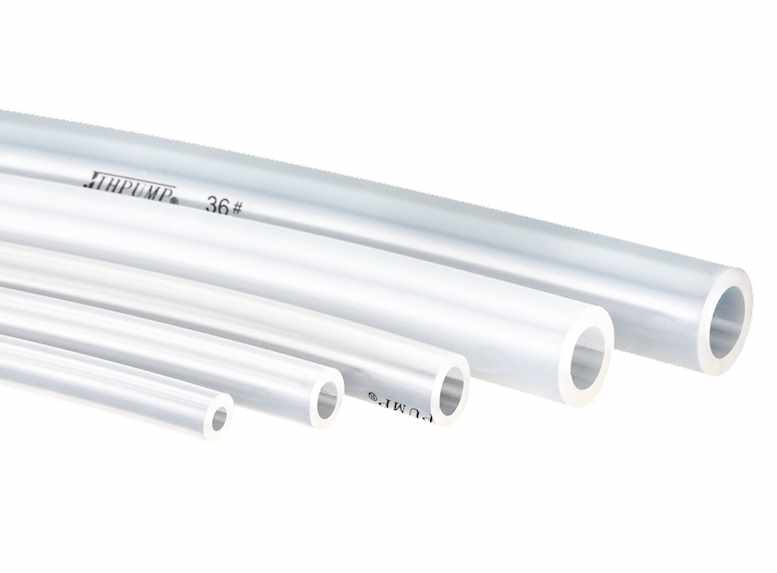
Successful integration of a glue transfer pump depends on precise material science and mechanical synchronization:
Flow Demand
When selecting the model, the flow demand of glue transmission must be determined first, including normal working flow, maximum flow and minimum flow range. Based on the flow demand, choose the appropriate specifications of pump heads and inner diameters of hoses to ensure that the peristaltic pump can meet the production requirements.
Glue Properties
The properties of glue are an important consideration in the selection process, including the viscosity, temperature, corrosiveness, and solid content of the glue. Glues with different properties require different types of hoses, such as for highly corrosive glues, a hose made of Teflon (PTFE) should be selected; for high-viscosity glues, a hose with a larger inner diameter should be chosen.
Pressure Requirements
The pipeline resistance loss needs to be calculated to determine the outlet pressure requirement for glue transmission and leave a 20-30% safety margin to ensure that the pump can operate stably under the normal working pressure.
Control Requirements
According to the requirements of the production process, select the appropriate control method, such as manual speed adjustment, analog control, digital control, communication control, etc. For occasions that require precise control of flow, a pump with a flow feedback function can be selected.
Installation Environment
Take into account factors such as the temperature, humidity, dust, and corrosive gases in the installation environment, and select the appropriate pump type and protection level. At the same time, ensure that the installation position of the peristaltic pump has sufficient maintenance space to facilitate the daily maintenance and servicing of the equipment.
JIHPUMP in Practice: Real-World Adhesive Applications
JIHPUMP systems are engineered to bridge the gap between laboratory precision and industrial durability. Practical implementations include:
Electronics Manufacturing: Precision Encapsulation & Component Bonding
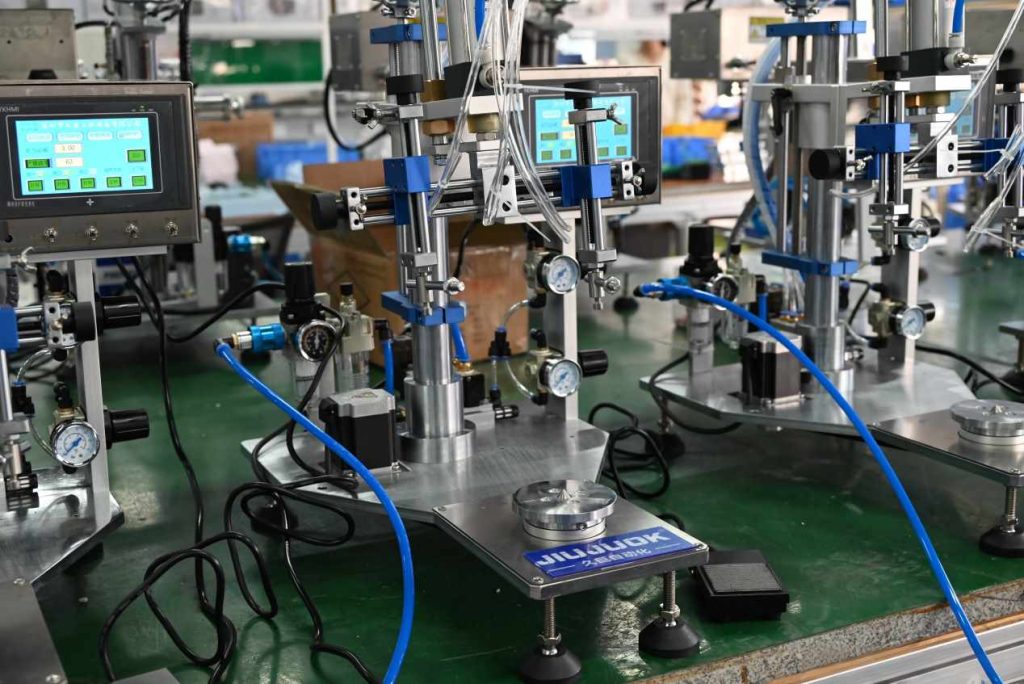
In electronics assembly, the consistency of micro-dispensing for epoxy resins directly impacts signal integrity and circuit board durability. A precision electronics manufacturer previously struggled with traditional pump valves becoming clogged by conductive adhesives, leading to inconsistent bond strength and compromised solder reliability.
The JIHPUMP Solution:
By integrating the JIHPUMP micro-dispensing system, the facility leveraged the “Zero Cross-Contamination” architecture, ensuring a total separation between the fluid and the pump mechanics. For viscous encapsulation glues, JIHPUMP provided a stable pressure output that eliminated air bubbles and “stringing.” This not only ensured high-reliability bonding but also significantly increased the Overall Equipment Effectiveness (OEE) by streamlining the maintenance and cleaning protocols.
Printing & Finishing: Uniform Coating & Lamination Excellence
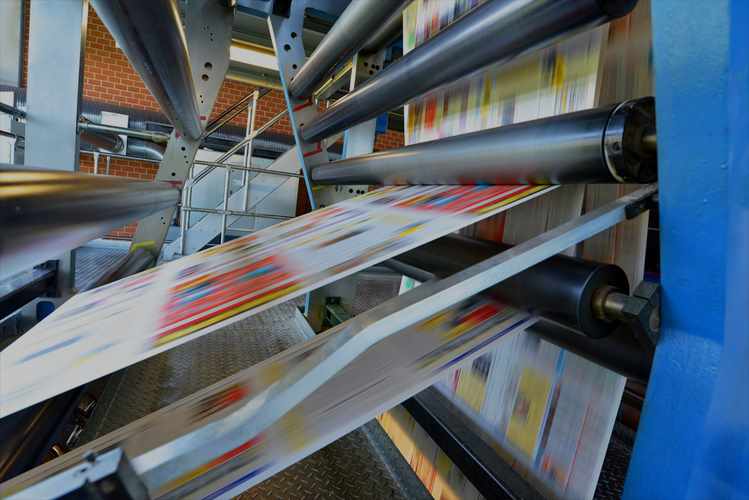
Printing JIHPUMP Solution
In lamination and glazing, coating uniformity is the primary factor determining the gloss and water resistance of the finished product. Traditional transfer methods often suffer from flow pulsations, resulting in surface streaks or uneven thickness.
The JIHPUMP Solution:
A large-scale commercial printer configured JIHPUMP multi-roller, low-pulsation pump heads to achieve constant-pressure, constant-volume delivery onto the lamination rollers. This uniform coating performance significantly enhanced surface texture and visual consistency. Furthermore, when handling fast-drying glues, the JIHPUMP “Five-Minute Tube Change” design proved to be a critical engineering advantage, drastically reducing downtime caused by adhesive polymerization and ensuring continuous production cycles.
Flow Demand and Control Strategies
Peristaltic pump flow management needs appropriate adjustment of speed and pump diameter settings. To be able to manage the flow of highly viscous liquids, the recommendation is to use the “low speed and large pump diameter” technique, since this will help to lower liquid friction as well as increase the lifespan of the pump and pipes. The inclusion of these pumps in the PLC controlled system makes it possible to make instant adjustments in view of variations in viscosity due to temperature differences.