
The Secret to Accurate Fluid Delivery: Our Silicone Tubing for Peristaltic Pumps
Peristaltic pumps are widely used across various industries, from pharmaceutical and biotechnology to food processing and chemical manufacturing. These pumps offer numerous advantages, including gentle fluid handling, precise flow control, and the ability to pump a wide range of fluids, including viscous, abrasive, and corrosive substances. However, the performance of a peristaltic pump is heavily reliant on the quality of the tubing used.
This article will delve into the significance of peristaltic pump tubing, explore the key characteristics of silicone tubing specifically, and highlight the advantages of JIEPUMP’s high-quality silicone tubing for optimal peristaltic pump performance.

Part 1. Importance of Peristaltic Pump Tubing
Peristaltic pump tubing is a critical component that comes into direct contact with the fluid being pumped. The choice of tubing material is of paramount importance, as it directly affects the pump’s operating efficiency, service life, and the purity of the substance being transferred.
- Fluid Transfer: The tubing acts as the conduit for fluid movement, ensuring smooth and efficient transfer from the source to the destination.
- Flow Accuracy: The elasticity and compressibility of the tubing directly influence the accuracy and consistency of fluid flow.
- Chemical Compatibility: The tubing material must be compatible with the fluid being pumped, preventing chemical reactions, degradation, and contamination.
- Pump Life and Maintenance: The durability and wear resistance of the tubing significantly impact the lifespan of the pump and the frequency of maintenance required.
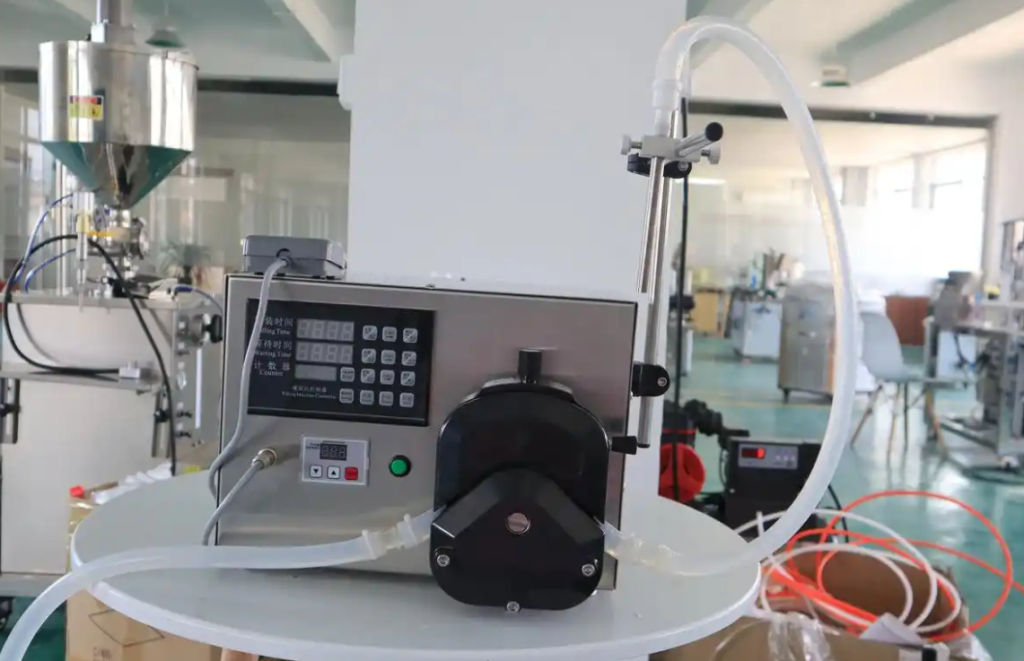
Part 2. How to Install Peristaltic Pump Tubing?
Proper installation of peristaltic pump tubing is essential for optimal performance and to prevent premature wear and tear.
Here are some general guidelines for tubing installation:
- Cleanliness: Ensure the pump and tubing are clean and free from any debris or contaminants.
- Lubrication: Apply a small amount of lubricant to the tubing before insertion to reduce friction and prevent damage.
- Proper Fitting: Ensure the tubing is properly seated within the pump head, avoiding any gaps or misalignments.
- Tension: Maintain appropriate tension on the tubing to prevent slippage or excessive wear.
- Avoid Sharp Bends: Minimize sharp bends in the tubing, as they can increase stress and reduce flow.
The following video demonstrates the installation process of MN4 peristaltic pump tubing, providing a visual understanding of the operation.
Part 3. Excellent Characteristics of Peristaltic Pump Silicone Tubing
Silicone tubing is a commonly used type of tubing for peristaltic pumps due to its numerous advantageous properties. It is produced using high-purity imported silicone rubber raw materials through platinum vulcanization extrusion, eliminating the risk of precipitate formation often encountered in other vulcanization methods, and thereby enhancing food safety.
The silicone material endows the tubing with excellent elasticity, wear resistance, and tear strength, ensuring a long service life during high-speed fluid transfer.
The smooth inner surface of the silicone tubing prevents adhesion even after prolonged pumping, making it easy to clean and maintain, thus reducing maintenance costs. The precise dimensional tolerances, uniform wall thickness, and high resistance to wear, tear, and abrasion make the tubing suitable for applications in the food, pharmaceutical, and medical industries, meeting the stringent standards of these sectors.
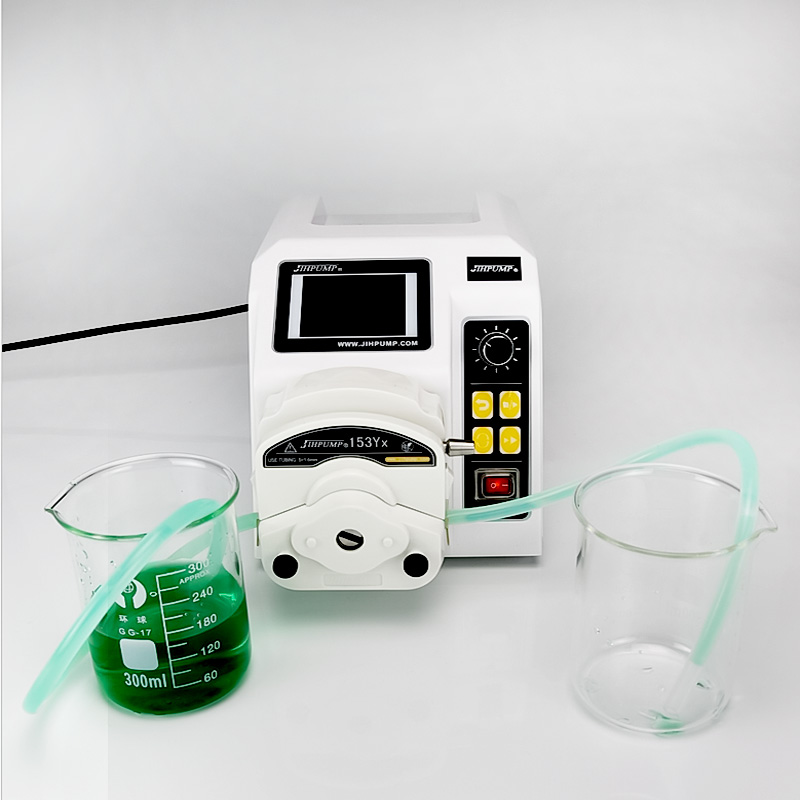
Chemical Properties of Peristaltic Pump Silicone Tubing:
- Inertness: Silicone is highly inert and resistant to a wide range of chemicals, including acids, bases, alcohols, and many organic solvents. This makes it suitable for handling corrosive and aggressive fluids.
- Chemical Resistance: Can withstand weak acids and bases, including mildly corrosive pharmaceuticals, low-concentration potassium permanganate, acetaldehyde reagents, animal and vegetable oils, petrolatum, glucose, alcohol, hand sanitizers, fruit juices, disinfectants, blood, and weakly acidic or basic gases.
- Low Reactivity: Silicone exhibits minimal reactivity with most substances, minimizing the risk of contamination and ensuring the integrity of the fluid being pumped.
- Temperature Resistance: It can withstand high temperatures, operating in environments ranging from -50°C to 200°C. It can withstand repeated high-temperature and high-pressure sterilization and can be sterilized using ethylene oxide, gamma rays, or beta rays.
- Biocompatibility: Many grades of silicone tubing are biocompatible, making them suitable for pharmaceutical, biomedical, and food processing applications.
Physical Properties of Peristaltic Pump Silicone Tubing:
- Low Permeability: Silicone exhibits low gas permeability, minimizing the risk of gas absorption or permeation into the fluid.
- High Pressure and Tensile Strength: Silicone tubing can withstand high pressures and has excellent elasticity, making it adaptable to various pressure and flow rate requirements. The tubing’s high tensile strength enables it to withstand stretching and compression forces, ensuring reliable fluid transfer in peristaltic pumps.
- Corrosion Resistance: Silicone tubing offers excellent resistance to acids, bases, and salts, preventing deformation or hardening when exposed to various chemicals. This ensures long-term, stable fluid transfer performance.
- Abrasion Resistance: Peristaltic pumps operate by periodically compressing and releasing the tubing through rotating rollers or shoes, creating vacuum and compression areas within the tube. Silicone tubing’s excellent abrasion resistance allows it to withstand the significant squeezing and friction forces experienced during high-speed fluid transfer, ensuring a long service life.
- High Precision Fluid Transfer: The smooth inner surface of silicone tubing minimizes fluid resistance, ensuring accurate fluid transfer and preventing leakage or clogging. The smooth surface reduces friction, preventing wear and tear, and ensuring long-term efficient operation. The tubing’s precise dimensional tolerances and uniform wall thickness eliminate eccentricity.
- Electrical Insulation: Silicone tubing possesses excellent arc resistance and corona resistance, making it suitable for applications requiring electrical insulation. This ensures a safe and stable working environment in applications where electrical discharge needs to be prevented.

JIHPUMP’s Peristaltic Pump Silicone Tube
JIHPUMP offers a comprehensive range of high-quality peristaltic pump silicone tubing designed to meet the demanding requirements of various industries. Our products are manufactured using premium-grade silicone materials and undergo rigorous quality control processes to ensure consistent performance and reliability.