
How to Use Liquid Transfer Pump? A Comprehensive Guide
Liquid transfer pumps are commonly used equipment across various industries, widely applied in the transportation and transfer of liquids. Whether in industries, agriculture, chemical, or food processing, the role of liquid transfer pumps is indispensable.
But how to use liquid transfer pump? Don’t worry, in this post, we will provide the details about liquid transfer pump. Let’s get started!
Part 1. What Are Liquid Transfer Pumps?
Liquid transfer pumps are mechanical devices designed to move liquids from one location to another, often from a storage container to a processing or distribution system.
These pumps are essential in many industries, enabling the efficient and safe transport of liquids, chemicals, oils, and other fluids. They are used in a wide range of applications, including industrial processes, agricultural operations, chemical handling, food processing, and more.
The primary function of liquid transfer pumps is to create pressure that moves the liquid through pipes, hoses, or other conduits to the desired location. Depending on the specific needs of the application, different types of liquid transfer pumps are used, each designed for different fluid characteristics, pressure requirements, and operational conditions.

Part 2. Types of Liquid Transfer Pumps
There are several types of liquid transfer pumps, each suited for different applications. The most common types include:
Peristaltic Pumps
Peristaltic pumps operate by compressing and releasing flexible tubing using rollers or shoes to create a pumping action. As the rollers move, they push the liquid through the tube in a continuous, pulsating flow.
Applications: Widely used in applications requiring the transfer of sterile or viscous fluids, such as in the pharmaceutical, food processing, and laboratory industries.
Pros: Excellent for transferring fluids without contamination, as the liquid never comes into contact with the pump mechanism. Ideal for handling slurries, viscous liquids, and sensitive fluids.
Cons: May have a limited flow rate compared to other pump types, but some peristaltic pumps are suitable for high or large flow rate.

Centrifugal Pumps
Centrifugal pumps use a rotating impeller to add velocity to the liquid, converting kinetic energy into pressure to move the fluid.
Applications: Widely used for low-viscosity liquids such as water, oils, and chemicals. They are commonly found in water supply systems, HVAC systems, and industrial processes.
Pros: Simple design, high efficiency, and suitable for continuous operations.
Cons: Not ideal for high-viscosity fluids or applications requiring high-pressure delivery.
Diaphragm Pumps
Diaphragm pumps use a diaphragm that moves back and forth to create suction and discharge. The diaphragm is typically made of elastomer or Teflon.
Applications: Ideal for handling viscous, abrasive, or corrosive liquids, such as paints, slurries, and wastewater.
Pros: Self-priming, capable of running dry without damage, and suitable for handling aggressive or thick liquids.
Cons: Can be slower than other types of pumps, with a lower flow rate.

Gear Pumps
Gear pumps use intermeshing gears to trap and move liquid through the pump chamber.
Applications: Common in applications requiring the transfer of oils, lubricants, and fuels, especially where a consistent flow rate is needed.
Pros: Compact and capable of delivering high-pressure fluid flow.
Cons: Not ideal for handling solids or abrasive materials, as they can damage the gears.
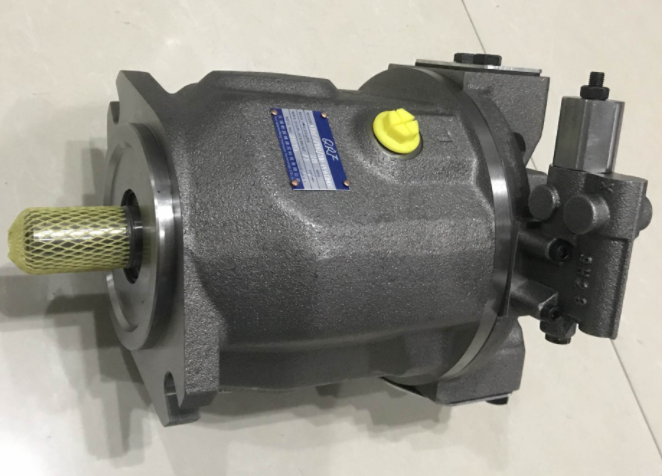
Piston Pumps
Piston pumps use a piston inside a cylinder to move liquids. As the piston moves, it creates suction that draws in liquid, then displaces the liquid into the discharge pipe.
Applications: Suitable for high-pressure applications and transferring liquids with varying viscosities, such as lubricants, chemicals, or fuels.
Pros: Capable of handling high pressures and can be used for a wide range of liquids.
Cons: Typically have a more complex design and higher maintenance requirements.
Screw Pumps
Screw pumps use one or more screws that rotate to move the liquid along the screw’s length, creating a smooth, continuous flow.
Applications: Often used for transferring highly viscous liquids, such as oils, syrups, and sludges.
Pros: Capable of transferring very thick or heavy fluids with minimal pulsation.
Cons: Less suitable for low-viscosity liquids and may require more power to operate efficiently.
Part 3. How to Use a Liquid Transfer Pump?
Using a liquid transfer pump is a straightforward process, but it’s essential to follow the right steps. As there are different types of liquid transfer pumps, today we will take the using steps of peristaltic pump as an example to walk through the process steps of liquid transfer pump.
Step 1. Preparation
Check all components of the pump: Ensure that all parts of the peristaltic pump, such as the pump tube, drive rollers, and power connections, are functioning properly.
Select the appropriate pump tubing: Choose the right tubing based on the type of liquid, required flow rate, and chemical compatibility. Ensure the tubing is compatible with the fluid being transported and has appropriate pressure and chemical resistance.
Check and set up the power supply: Ensure the power supply is stable, and the voltage and current meet the device’s requirements.
Step 2. Install the Pump Tubing
Place the tubing into the pump: Install the appropriately sized tubing into the pump housing, making sure it is correctly aligned with the drive rollers or wheel.
Adjust tubing tension: Adjust the tubing tension if necessary to ensure it is flexible enough to be compressed by the drive rollers without being overstretched or too loose.
Step 3. Set Flow Rate and Speed
Set the pump speed: Adjust the speed control (such as a variable frequency drive or speed control button) to set the pump’s operating speed. Different liquids and applications may require different flow rates.
Set the flow rate: Some pumps have precise flow meters or setting options. You can set the flow rate (e.g., milliliters per minute, liters per hour) as needed.
Step 4. Start the Pump
Turn on the pump: Press the start button or power switch to start the peristaltic pump.
Observe the liquid flow: Ensure the liquid begins to be drawn in from one end of the tubing and flows out through the pump tube. If the liquid doesn’t flow, check if the tubing is correctly installed or if there is an air block in the tubing.
Step 5. Monitor the Operation
Regularly check the pump’s performance: While the pump is operating, observe if the liquid is flowing evenly. Make sure there are no cracks or leaks in the tubing.
Check temperature and pressure: Some peristaltic pumps are equipped with temperature or pressure monitoring features. Ensure the pump is not overheating or operating under excessive load.
Step 6. Turn Off the Pump
Stop the pump: When the pumping is no longer required, stop the pump operation.
Disconnect the power supply: Turn off the power switch to ensure safety.
Step 7. Cleaning and Maintenance
Clean the tubing: After use, thoroughly clean the tubing to prevent contamination or corrosion from any residual liquid.
Check for wear on the tubing: Regularly check the tubing for wear. If the tubing shows cracks or signs of aging, replace it promptly.

Part 4. How to Choose Right Liquid Transfer Pump?
There are various types of liquid transfer pumps, hence, selecting the right one is crucial for ensuring efficient, safe, and stable liquid transportation. When choosing a pump, below are several factors that you can consider:
Liquid Type
When selecting a pump, the first consideration is the type of liquid to be transferred. The viscosity, corrosiveness, and presence of solid particles in the liquid all directly impact pump selection.
For example, when transferring viscous liquids such as oils or syrups, peristaltic pumps are often the best choice. These pumps excel at handling viscous liquids and are less likely to become clogged due to their unique design.
If the liquid contains solid particles, peristaltic pumps are also an excellent choice, as they can handle such liquids without the clogging issues typical of conventional pumps.
Flow Rate Requirements
If a large volume of liquid needs to be transferred, centrifugal pumps are typically the ideal choice. Centrifugal pumps can efficiently transport large amounts of liquid at a lower cost, making them suitable for situations where precise flow control is not essential.
However, if you require more precise flow control or need to transfer liquid in small, controlled amounts (such as in pharmaceuticals or chemicals), a peristaltic pump is a better choice. It provides more stable and accurate flow control.
Operating Environment
Operating environment plays a key role in pump selection. If avoiding direct contact between the liquid and the pump is essential, a peristaltic pump is ideal. It uses a flexible hose to transfer liquids, preventing contamination and ensuring easy cleaning, making it perfect for hygienic environments such as food or pharmaceuticals.
However, for high flow rates or handling high-temperature, high-pressure liquids, centrifugal pumps are more suitable due to their adaptability to such conditions.
Maintenance and Lifespan
Maintenance and service life are important factors in pump selection. For example, peristaltic pumps require less maintenance due to less wear on components, and replacing parts like tubing is easy, ensuring long-lasting performance.
In contrast, centrifugal pumps, while handling higher flow rates, have a more complex structure and require more maintenance. Their components are in direct contact with the liquid, making them more prone to wear and corrosion.
Final Words: JIHPump – Your Best Peristaltic Pump Partner
Liquid transfer pumps are essential equipment in many areas, choosing the right pump type and using it correctly can ensure efficient operation. If you need precise flow control and want to avoid liquid contamination, peristaltic pump is an ideal choice.
As a peristaltic pumps manufacturer, JIHPump offers shigh-quality pumps that can meet a wide range of needs. Whether for precise fluid transfer, medical devices, or the food processing industry, JIHPump peristaltic pumps provide reliable and contamination-free fluid transfer solutions.