
Understanding and Operating a Peristaltic Pump: A Step-by-Step Guide
Peristaltic pumps are widely used in various industries due to their versatility and ease of maintenance. They operate by squeezing a flexible tube, propelling the fluid within. This mechanism eliminates the need for valves or seals, making them ideal for handling sensitive or abrasive fluids.
This guide will delve into the fundamental principles of peristaltic pump operation, outline essential pre-start preparations, and provide a step-by-step approach to safe and efficient startup.

How does a Peristaltic Pump Work?
At the heart of a peristaltic pump lies a flexible tube that carries the fluid. A series of rollers, driven by a motor, compress the tube in a sequential manner. This creates a traveling wave of compression that moves along the tube, effectively pushing the fluid forward. As the tube relaxes, suction is generated, drawing more fluid into the pump. This continuous process ensures a pulsating flow, which can be controlled by adjusting the speed of the motor and the size of the rollers.
We can better understand the operating principle of a peristaltic pump by watching this video.
What are The Pre-start Preparations for a Peristaltic Pump?
Before initiating any operation, thorough pre-start preparations are crucial to ensure optimal performance, safety, and longevity of the peristaltic pump. These preparations encompass a comprehensive inspection of various system components:
Inspect the Electrical System:
The electrical system of a peristaltic pump consists of components such as motors and control cabinets. Before starting the pump, it is necessary to check whether the electrical system is working properly. This includes checking whether the cable connections are secure, whether the motor insulation resistance meets the requirements, and whether the control cabinet switches are functioning normally.
Only when the electrical system is confirmed to be working properly can the peristaltic pump operate normally.

Inspect the Hydraulic System:
The hydraulic system of a peristaltic pump consists of components such as the pump head, tubing, and valves. Before starting the pump, it is necessary to inspect whether the pump head is installed correctly, the tubing is connected properly, the seals are tight, and the hydraulic oil meets the required specifications.
Ensuring the proper functioning of the hydraulic system is crucial for the normal operation of the peristaltic pump.
Inspect the Mechanical System:
A peristaltic pump’s mechanical system comprises components like the pump head, gearbox, and coupling. Pre-startup checks include verifying the correct installation of the pump head, the proper functioning of the gearbox and coupling, and adequate lubrication of the bearings.
The mechanical system must be in optimal condition to guarantee the peristaltic pump’s smooth operation.
Confirm That All Components Are Installed Correctly:
All components, especially those replaced or repaired, must be correctly installed and meet the peristaltic pump’s specifications during inspections of the electrical, hydraulic, and mechanical systems.
Pre-start calibration:
Before starting the machine, a pre-start calibration is required. Turn on the power and observe if there are any leaks from the pump head, tubing, and valves, and whether they are functioning properly. Then, start the motor, reducer, coupling, and other mechanical components one by one to confirm that all parts are running smoothly without abnormal noise or vibration.

Peristaltic Pump Startup Procedures
The start-stop procedure of a peristaltic pump is crucial for its normal operation. Users must follow the specified process and carry out maintenance and upkeep to ensure the equipment’s safety and normal operation.
· Power On: Turn on the power switch to supply power to the peristaltic pump.
· Set Speed to Minimum: Activate the manual controller and adjust the speed control knob to the minimum setting. The rotor of the peristaltic pump should stop rotating.
· Connect Tubing and Prime: Connect the tubing to the inlet of the pump head and fill the tubing with the fluid to be pumped.

· Manual Priming: Manually rotate the rotor of the peristaltic pump until all air bubbles are expelled from the tubing and the tubing is completely filled with fluid.
· Adjust Flow Rate: Gradually increase the flow rate by adjusting the speed control knob.
· Inspect Operation: Check the operation of the peristaltic pump to ensure it is functioning correctly.
Precautions for Starting a Peristaltic Pump
Adhering to correct start-up and operating procedures is essential for the successful execution of experiments using a peristaltic pump. Through careful inspection and operation, the service life of the equipment can be effectively extended, and the accuracy of experimental results can be ensured.
· Before starting the peristaltic pump, it is essential to verify that all tubing connections are correct and that the pump head is clear of any obstructions.
· Prior to starting the peristaltic pump, it is imperative to fill the tubing with the fluid to be pumped to ensure proper operation.
· After starting the peristaltic pump, gradually increase the flow rate. Avoid setting the flow rate to maximum immediately, as this may cause the pump to malfunction.
· During the operation of the peristaltic pump, regularly check the pump’s status to prevent any abnormalities.
· Periodically replace the pump head and tubing during the operation of the peristaltic pump to prevent aging and clogging.
Attempting to use a JIHPUMP Peristaltic Pump
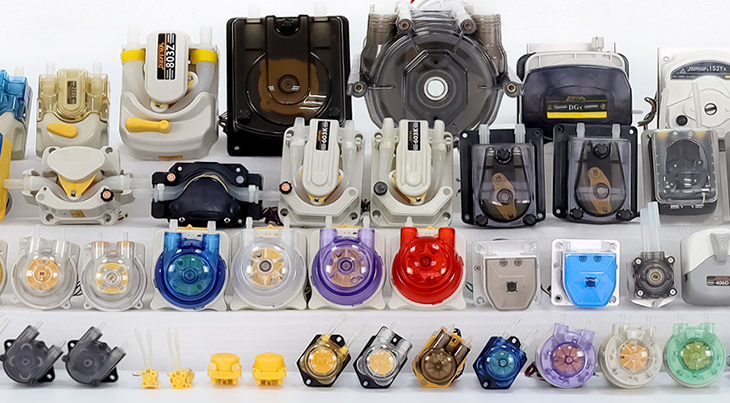
If you’re looking for a high-quality peristaltic pump, choosing a reliable manufacturer is crucial to ensure optimal performance, durability, and efficiency. JIHPUMP, a renowned peristaltic pump manufacturer in China, offers a wide range of high-quality pumps to cater to various applications.
We specialize in meeting the specific needs of OEM customers, equipment manufacturers, and machinery producers. Each pump is meticulously designed and available in a variety of models, specifications, and flow rates to suit your unique requirements.