What Medical Devices Use Peristaltic Pump?
In modern medical equipment, the safety, accuracy, and stability of fluid transfer are critically important. For this reason, peristaltic pumps are widely used across a broad range of medical devices. From basic infusion systems to advanced blood processing equipment, peristaltic pumps play an essential role.
So, what medical devices use peristaltic pumps, and why does the medical industry favor this type of pump so strongly? Today, we will provide a systematic analysis from multiple perspectives, including application scenarios, technical advantages, and key selection considerations.
Part 1. Why Peristaltic Pumps Are Widely Used in Medical Device Applications?
Medical peristaltic pumps have become one of the most widely adopted fluid transfer solutions in medical equipment due to their combined advantages in safety, precision, and reliability. These features align perfectly with the medical industry’s strict requirements for sterility and stable performance.
1. High Levels of Cleanliness and Prevention of Cross-Contamination
Peristaltic pumps operate on a tubing-based transfer principle, meaning the fluid comes into contact only with the inner wall of the tubing and never with the pump mechanism itself. When used with disposable or replaceable medical-grade tubing, this design significantly reduces the risk of cross-contamination and meets stringent medical standards for sterile fluid handling.
2. Precise and Stable Flow Control
By adjusting motor speed and tubing specifications, peristaltic pumps can deliver highly accurate and repeatable flow rates. This makes them ideal for medical applications that require precise dosage control, such as infusion therapy, drug delivery systems, and dialysis equipment, helping to improve treatment accuracy and patient safety.
3. Gentle Handling of Sensitive Fluids
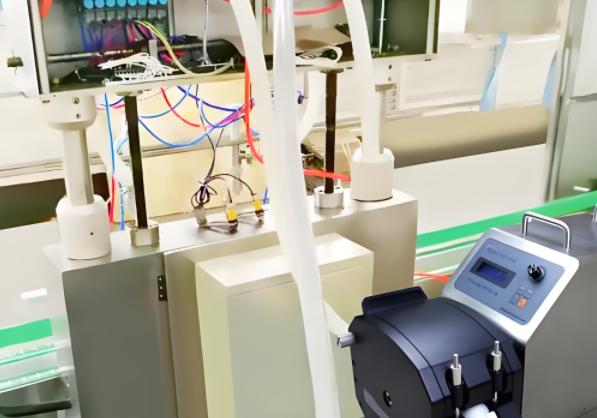
In comparison to the centrifugal or gear pumps, the peristaltic pump is low in operation shear force. The gentle operation is good for fluid that is relatively very sensitive like blood, cell suspension, and biological samples, thus making itself fit for blood processing, biopharmaceutical, and laboratory procedures.
4. Simple Maintenance and Reliable Operation
The structure of peristaltic pumps is relatively simple, and maintenance can be performed easily, such as changing the tubing. Therefore, this type of pump can be used in medical institutions and medical equipment that demand reliable and uninterrupted operation.
Part 2. What Medical Devices Use Peristaltic Pumps?
Understanding what medical devices use peristaltic pumps is key to appreciating their widespread adoption. Due to their safe, precise, and reliable fluid delivery characteristics, peristaltic pumps are integrated across a wide range of medical devices, covering everything from basic treatment equipment to advanced life-support systems.
1. Infusion and Drug Delivery Devices
Peristaltic pumps are most commonly and maturely applied in infusion and drug delivery systems, including:
- IV Infusion Pumps
- Enteral Feeding Pumps
- Chemotherapy Drug Delivery Systems
These devices demand high precision, long-term stability, and patient safety. Peristaltic pumps can deliver a consistent, repeatable flow by precisely controlling speed and tubing size, effectively avoiding dosage fluctuations. Additionally, their closed-loop tubing design minimizes the risk of fluid contamination, ensuring safe drug delivery for patients.
2. Dialysis Machines
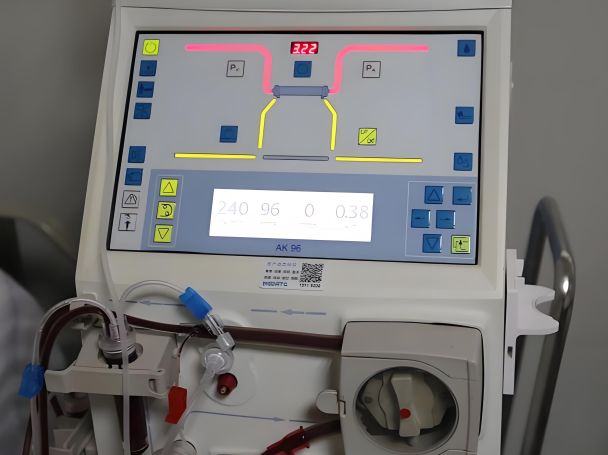
In both hemodialysis and peritoneal dialysis systems, peristaltic pumps are almost indispensable. They are widely used for:
- Circulating blood through the extracorporeal circuit
- Precise delivery of dialysis fluid
- Removal of waste and ultrafiltrate
Since blood flows only within disposable medical tubing, peristaltic pumps significantly reduce cross-contamination and infection risks. Moreover, their reliable continuous operation ensures that dialysis treatments, which can last several hours, are safe and stable throughout the process.
3. Blood Processing and Extracorporeal Circulation Devices
Peristaltic pumps also play a critical role in high-end medical systems with stringent safety requirements, such as:
- Blood transfusion and reinfusion devices
- Apheresis systems for blood separation and collection
- Heart-lung machines and extracorporeal circulation systems
These devices must deliver blood safely while minimizing cellular damage. The low shear force and non-contact pumping characteristics of peristaltic pumps help preserve blood cell structure and function, making them an ideal choice for blood processing and extracorporeal circulation applications.
4. In Vitro Diagnostics and Laboratory Medical Equipment (IVD)
In in vitro diagnostic and laboratory automation systems, peristaltic pumps are widely used for precise fluid management, including:
- Quantitative sample delivery and distribution
- Accurate reagent addition and mixing
- Complex internal fluid control in automated analyzers
These applications often involve microflow rates, multi-channel operations, and high repeatability. Peristaltic pumps offer excellent low-flow control and consistent repeatability, ensuring reliable and accurate test results, and forming a critical component of modern automated IVD systems.
5. Medical Drainage and Negative Pressure Therapy Devices
Peristaltic pumps are also widely adopted in medical drainage and negative pressure therapy devices, such as:
- Wound drainage devices
- Postoperative fluid drainage systems
- Negative Pressure Wound Therapy (NPWT) devices
These devices require continuous, stable fluid removal over extended periods while preventing backflow or clogging. Peristaltic pumps provide smooth, controllable fluid discharge, and their simple maintenance, usually just tubing replacement, helps reduce equipment downtime and operating costs for healthcare facilities.
6. Other Medical and Health Device Applications
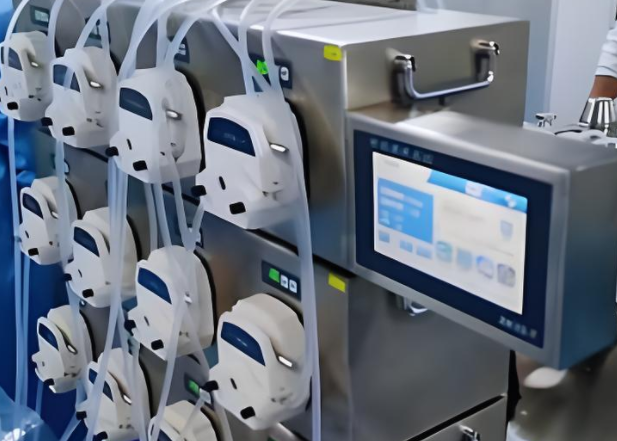
Beyond the main categories above, peristaltic pumps are also applied in:
- Medical disinfection and cleaning equipment
- Dental treatment and cleaning devices
- Automated drug preparation and formulation systems
With the increasing trend toward smart, compact, and automated medical equipment, peristaltic pumps, due to their flexibility, adaptability, and high safety, continue to expand into new applications, playing an increasingly important role in the future of medical device technology.
Part 3. Key Factors to Consider When Choosing a Medical Peristaltic Pump
For medical device manufacturers or OEM clients, selecting the right peristaltic pump goes far beyond price comparison. Performance, reliability, and regulatory compliance must all be carefully evaluated. The following key factors should be considered:
1. Flow Range and Precision Requirements
In certain situations, medical devices would require very accurate and precise operation at very low flow rates, like in infusion, chemotherapy, or dialysis. It is crucial in choosing a peristaltic pump to evaluate peristaltic pumps according to required flow span, minimum flow rate, maximum flow rate, accuracy, and repeatability. High-precision liquid pumps allow set-rate, continuous liquid conveyance to enhance human safety and treatment efficacy.
2. Tubing Life and Replacement Frequency
The pump tubing is the core component of a peristaltic pump, and its durability directly affects device reliability and maintenance costs. Tubing materials vary in wear resistance, chemical compatibility, and elasticity. It is important to assess how long the tubing can operate under continuous use, frequent start-stop cycles, or high-pressure conditions. Additionally, the ease and frequency of replacement should be considered, as frequent maintenance increases the operational burden for healthcare facilities.
3. Sterilization and Cleaning Requirements
Medical environments require strict hygiene standards. Peristaltic pumps must be able to withstand rigorous sterilization and cleaning procedures. Certain tubing must tolerate high-temperature autoclaving or chemical disinfection, while the pump body should be designed for easy disassembly and cleaning. Pumps that meet sterilization requirements reduce cross-contamination risks and ensure long-term safe and reliable operation in medical applications.
4. Compliance with Medical Regulations and Quality Standards
It is important that when choosing a medical peristaltic pump, regulatory compliance is a key consideration, such as those specified in the ISO 13485, FDA, or CE standards. This is important for the regulatory clearance of the medical device, but it is also important for the subsequent maintenance of the device after clearance. This is because regulatory compliance involves stringent controls in the design, production, testing, and selection of materials used in the production of medical devices.
5. System Integration and Customization Capability
Medical devices come in different sizes due to the various interfaces they have, each possessing variances in operational requirements. In certain scenarios, the common pump mechanism will not fit the client’s requisites. For now, a peristaltic pump manufacturer that offers custom modification is preferable.
Well-labeled suppliers can get in early on the device development planning, offering a different parameter for each selected assignment: flow rate, tubing size, control method, interface, and the desired footprint, all of this for required system integration. In turn, this particular approach will facilitate swifter development cycles and hasten time-to-market.
Summary
Going back to the initial question: “What medical devices use a peristaltic pump?”
Infusion systems, dialysis systems, blood processing systems, in vitro diagnostic systems, medical drainage systems, and many other medical systems require the critical function of a peristaltic pump. These include infusion systems, dialysis systems, blood processing systems, in vitro diagnostic systems, medical drainage systems, and many other medical systems. Peristaltic pumps have been found to be indispensable in all major medical fields. It has been found that the ability of a peristaltic pump to deliver fluids without any form of contamination makes it a critical component of medical systems.
For medical device manufacturers, choosing the right peristaltic pump and a trusted partner like JIHPump peristaltic pump can have a direct impact on the safety and competitiveness of medical devices. With the expertise of JIHPump in providing top-notch quality peristaltic pumps, medical devices can be expected to provide optimal performance and reliability, thereby providing a positive impact on the medical community.