
Why Tubing Defines Peristaltic Pump Performance?
In the field of precise fluid handling, pump drive systems are often highly regarded. However, “the pump is merely the driver, while the tube is the true pump”. The reason why the tube of a peristaltic pump is so important is that it is not merely a channel for transporting fluids; it is itself the “working chamber” (pump cavity) of the pump. Without suitable high-quality tubes, even the most precise peristaltic pump will not function properly.
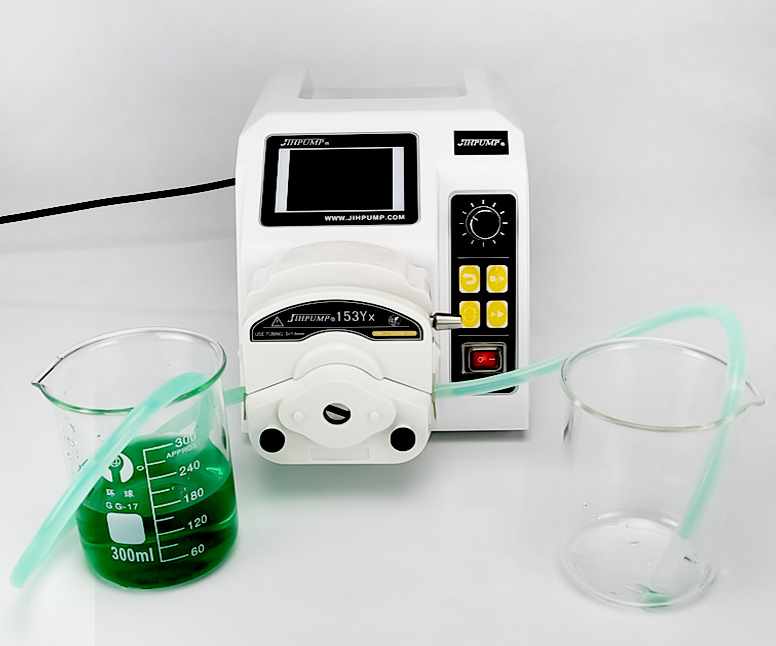
Tubing—The “Heart” of the Peristaltic Pump
Unlike rigid pipes, the peristaltic tube is a “dynamic” component. It must be flexible enough to withstand thousands of compressions per hour, while also being strong enough to instantly return to its original shape. Since it is the only component in the fluid path, it acts as the primary barrier between the product and the environment.
The Sole Fluid Contact Medium (Determining Purity)
Throughout the entire pumping process, the fluid only comes into contact with the inner wall of the hose, and never with any mechanical components of the pump (such as rollers, bearings). This means that the material of the hose directly determines whether the fluid will be contaminated and whether a chemical reaction will occur.
Dynamic “Mechanical Heart” (Determining Suction Capacity)
When the hose is in operation, it undergoes a physical cycle of “being flattened by the rollers -> bouncing back and returning to its original shape” hundreds of times per minute. Its rebound ability (Restitution) directly determines whether the pump can generate sufficient vacuum to suck in liquids (self-suction capability); and the volume of space it is flattened each time determines the flow accuracy of the pump.
The “Weakest Link” of the System (Determining Operating Costs and Downtime)
As a consumable for high-frequency operations, the lifespan of the hose directly affects the continuous operation time of the equipment. If the hose breaks and fails during production, it not only leads to the waste of expensive liquid due to leakage, but may also cause serious production accidents such as machine shutdown for cleaning and cross-contamination.
How to Judge Peristaltic Pump Tubing Performance
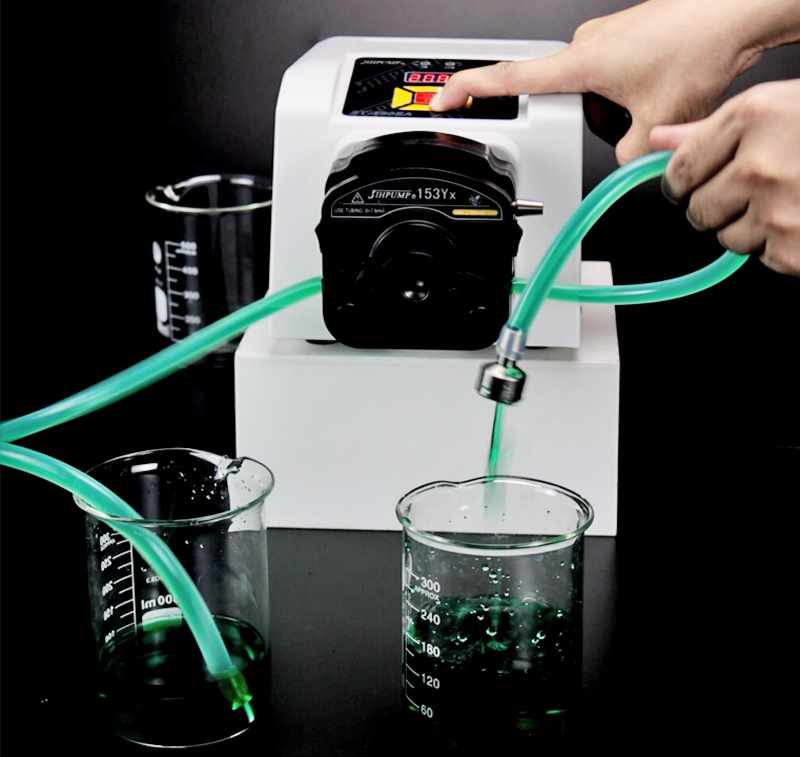
Not all elastomers are created equal. To evaluate whether a tube is “industrial grade” or merely a “disposable hose,” technical buyers must look at four critical engineering parameters:
Dimensions and Geometric Parameters
- Inner Diameter (ID): This directly determines the flow rate at the same pump head speed. The larger the inner diameter, the greater the single-circuit displacement.
- Wall Thickness (WT): The wall thickness determines the pressure resistance and resilience of the hose. If the wall thickness is too thin, it is prone to expand or flatten under pressure. If the wall thickness is too thick, it will increase the load on the pump motor and generate excessive heat. The peristaltic pump head is usually specially designed for a specific “wall thickness”.
- Dimensional Tolerance: The inner diameter and wall thickness of high-quality hoses have extremely small tolerances (usually in the range of a few percent of millimeters). The smaller the tolerance, the higher the flow consistency (Repeatability) between different batches of hoses, which is crucial for high-precision filling and coating processes.
Mechanical and Physical Parameters
- Fatigue Life: Refers to the number of times the hose can withstand the rolling wheel compression before it breaks (usually measured in hours or ten thousand times).
- Restitution / Rebound: The rate at which the hose returns to its circular shape after being flattened by the rolling wheel. The better the restitution, the stronger the suction lift of the pump, and the higher the filling efficiency of high-viscosity liquids.
- Spallation Resistance: Whether the inner wall of the hose will peel off tiny particles (shards) when repeatedly compressed and rubbed by the rolling wheel. In pharmaceutical and purification processes, it is required that the hose have an extremely low spallation rate to avoid blocking the downstream sterilization filter or contaminating the final medicine.
Chemical and Biological Safety Parameters
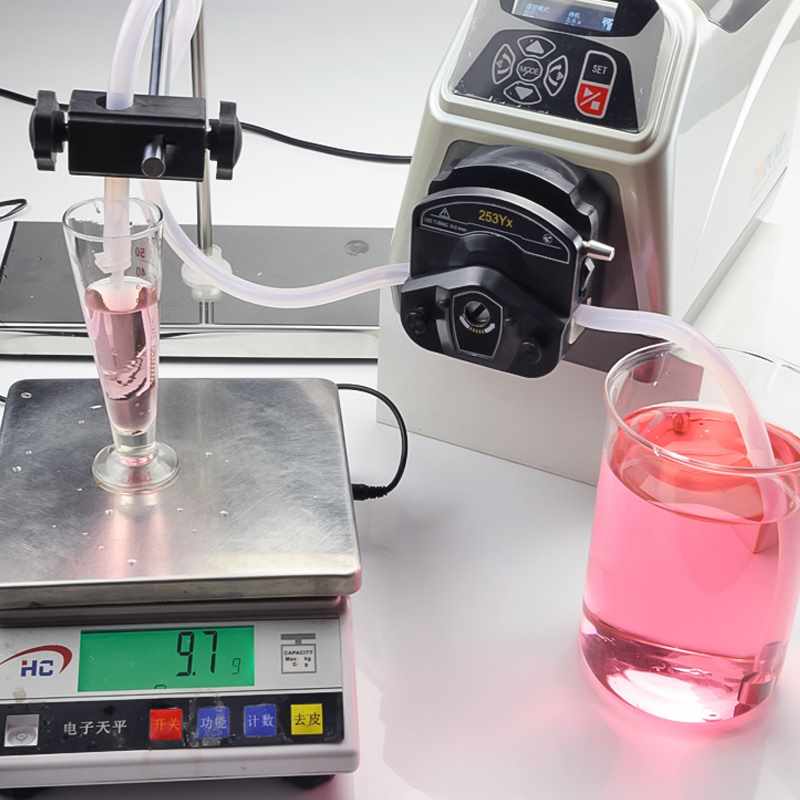
- Chemical Compatibility: The tolerance level of the hose material to the liquid being transported. The parameters are manifested as whether the hose will swell, harden, become brittle or dissolve when in contact with the solvent. For example, silicone hoses are resistant to acids and alkalis but extremely intolerant to organic solvents, while fluorosilicone hoses can withstand highly corrosive solvents.
- Extractables and Leachables: This is one of the most important compliance parameters in the pharmaceutical industry. It refers to the amount of substances that migrate from the hose material (such as plasticizers, antioxidants, sulfurizing agents residues) into the drug solution under specific solvents, temperatures, and times. High-quality platinum-sulfurized silicone hoses have extremely low E&L levels.
- Biocompatibility Certification: Must meet industry standards. Common hard parameters include: USP Class VI (US Pharmacopeia Level VI), FDA 21 CFR 177.2600, ISO 10993, BSE/TSE Free (No animal-derived declaration).
Operation and Environmental Parameters
- Tolerance Pressure: The maximum continuous working pressure that the hose can withstand (usually specified between 2 bar and 7 bar). If there is resistance in the rear pipeline (such as connecting a long spray gun, high viscosity, or passing through a microporous filter), ordinary silicone hoses may “balloon” or even burst. In such cases, the rated pressure parameters of the hose should be checked.
- Operating Temperature Range: The temperature range within which the hose can withstand physical properties without irreversible changes.
- Sterilization Compatibility: Whether it can withstand the sterilization methods commonly used in pharmaceutical factories and their parameters. For example: High-pressure steam sterilization (Autoclave: usually requires 121℃ for 30 minutes)
- Gamma Irradiation Sterilization: Usually requires being able to withstand a dose of 25-50 kGy without significant brittleness or discoloration.
- Online cleaning / online sterilization (CIP / SIP tolerance)
Why High-End Industries (Pharmaceuticals, etc.) Trust JIHPUMP Tubing?
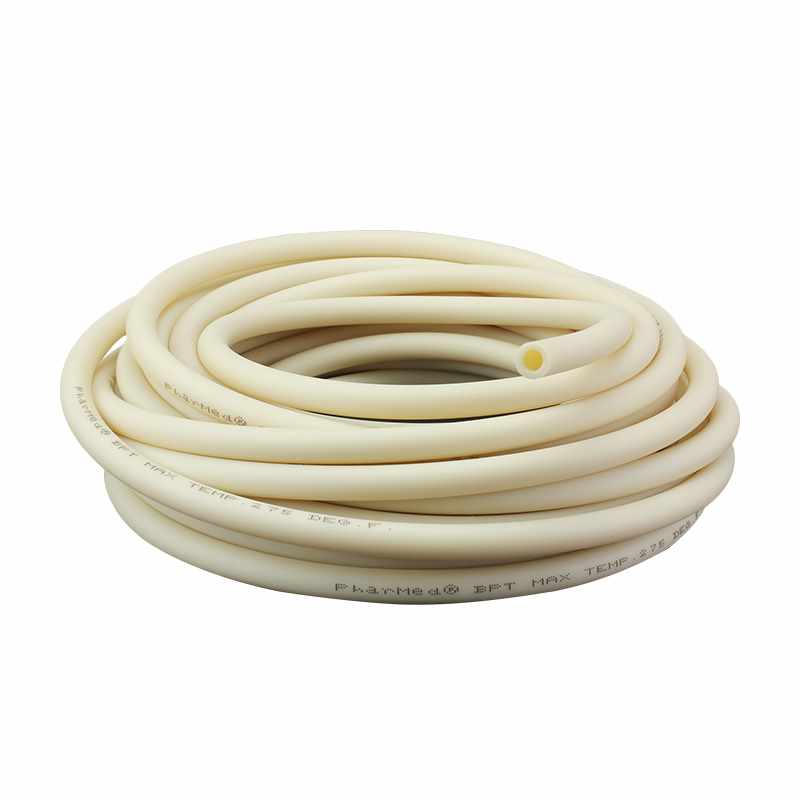
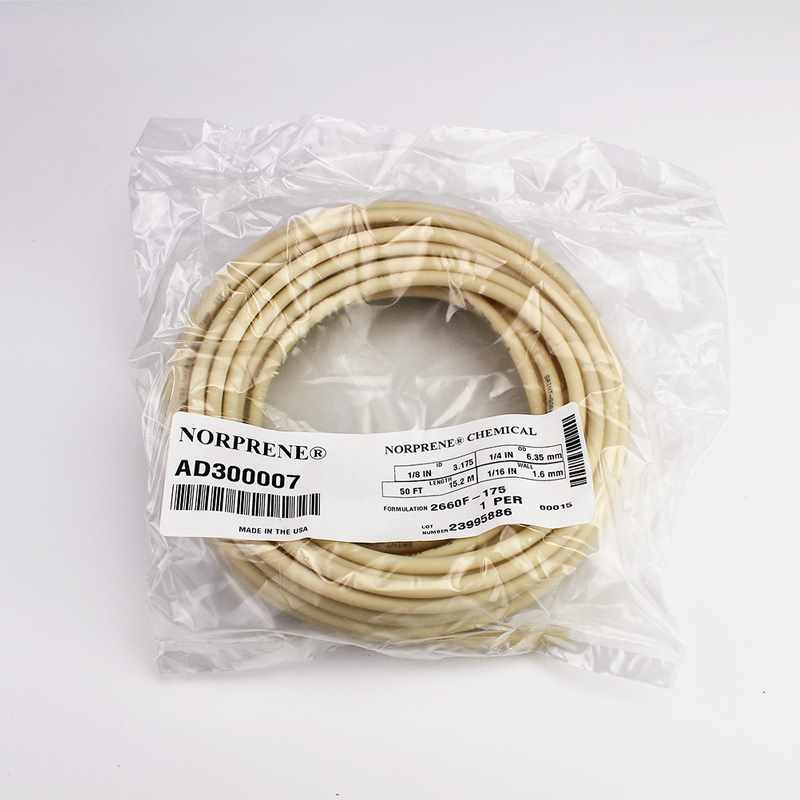
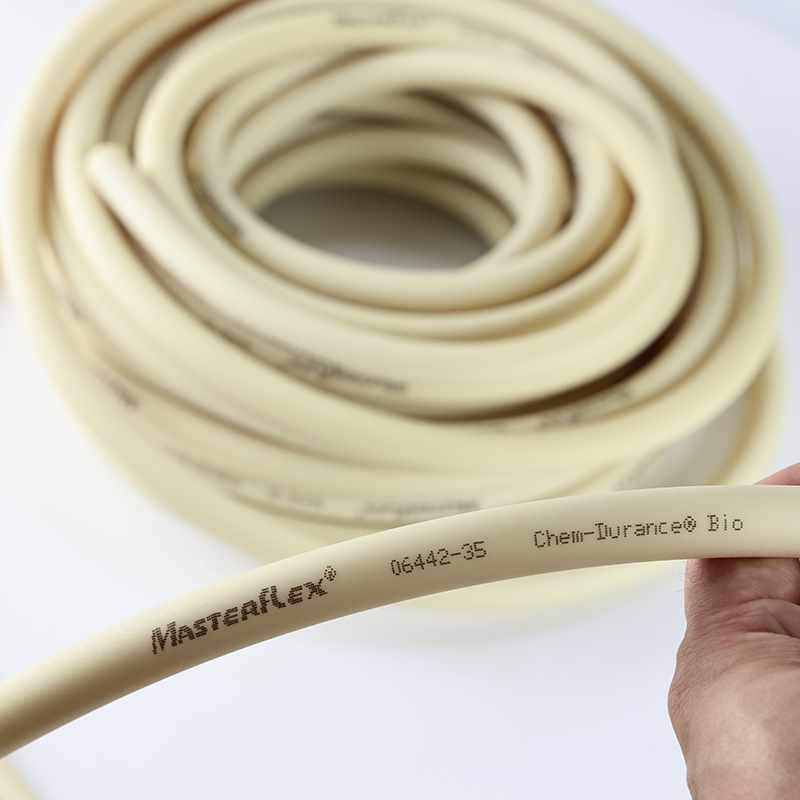
The silicone tubes we use for peristaltic pumps are made from imported raw materials and are processed through platinum sulfidation technology. This ensures their excellent tear resistance, tensile strength and fatigue resistance. The inner wall of the silicone tubes is smooth, with high cleanliness and low permeability, meeting GMP and food-grade requirements, and possessing three medical certifications. In addition, JIHPUMP also offer silicone tubes from imported brands such as Saint-Gobain. These silicone tubes have the characteristics of durability, resistance to acids and alkalis, and corrosion resistance, and have passed FDA certification.