
What is Linear Peristaltic Pump? – A Comprehensive Guide
Linear peristaltic pump, as a precision fluid transfer device, has been widely used in various industries due to its high precision and contamination-free delivery. Whether in the pharmaceutical, chemical, or food industries, the linear peristaltic pump meets the needs of many special operating conditions with its unique advantages. Today, we will provide a comprehensive overview of linear peristaltic pump. Let’s go!
Part 1. What is a Linear Peristaltic Pump?
You may be familiar with what peristaltic pumps are, but you might be puzzled when you hear about linear peristaltic pumps.
So, what exactly is a linear peristaltic pump?
Linear peristaltic pump is a type of pump that uses the peristaltic principle to transfer fluids. It moves the fluid along the pump’s axis using linear motion.
Unlike traditional peristaltic pumps, its head moves in a straight line. Linear peristaltic pump design enhances the fluid transfer process by making it smoother, more precise, and improving flow control accuracy.

Part 2. How Does Linear Peristaltic Pump Work?
The basic working principle of a linear peristaltic pump is similar to that of a traditional peristaltic pump. It transfers fluid through flexible tubing (usually silicone or other suitable materials).
As the rollers or sliders on the pump head move along the linear path of the tubing, it compresses the tubing, pushing the liquid inside to move forward. As the pump head continues to move, the fluid in the tubing is continuously pushed out.
Traditional peristaltic pumps use rotating rollers to compress the tubing, but the linear peristaltic pump compresses the tubing by moving along a straight line. This linear motion reduces internal friction and vibration within the pump, resulting in smoother fluid delivery.

Part 3. Key Features of Linear Peristaltic Pump
Precise Flow Control
The design of the linear peristaltic pump ensures smoother fluid delivery and precise flow control. By adjusting the speed of the pump head movement, the amount of fluid delivered can be accurately controlled, meeting the high-precision flow requirements of various applications.
Contamination-Free Transfer
Since the fluid only comes into contact with the flexible tubing, and the other parts of the pump do not directly contact the fluid, the linear peristaltic pump is ideal for contamination-free and cross-contamination-free fluid transfer, making it especially suitable for industries like pharmaceuticals and food and beverage.
Strong Corrosion Resistance
Linear peristaltic pumps can handle various corrosive liquids, including acids, bases, solvents, and more. As a result, they are widely used in fields such as chemical manufacturing and laboratories.
Low Maintenance Costs
The structure of the linear peristaltic pump is relatively simple, with minimal mechanical wear, which leads to lower maintenance costs and a longer service life.
Versatility with Various Liquids
Linear peristaltic pumps can handle a wide range of liquids, including low and high viscosity, particulate, foamy, and corrosive liquids, making them highly adaptable.

Part 4. Applications of Linear Peristaltic Pump
Due to its unique features and advantage, the linear peristaltic pump is widely used across several industries:
Pharmaceutical Industry
In the pharmaceutical sector, precision is paramount. Linear peristaltic pumps are ideal for accurately delivering drug ingredients or additives. They ensure precise dosing and are able to meet strict hygiene and contamination control standards, making them a crucial part of pharmaceutical manufacturing.
These pumps also play a key role in sterile environments, where even the slightest contamination could affect the efficacy and safety of medications.
Food and Beverage Industry
The food and beverage industry relies on linear peristaltic pumps for precise transferring liquids such as juices, syrups, dairy products, and other consumables. The pumps ensure contamination-free and cross-contamination-free fluid delivery, which is critical for maintaining the integrity and quality of food products.
Additionally, their ability to handle liquids with varying viscosities and prevent contamination during the transfer process makes them indispensable for this industry.
Chemical Manufacturing
In chemical manufacturing, the need for safety and precision is critical, especially when dealing with hazardous chemicals or corrosive liquids. Linear peristaltic pumps are designed to handle a wide range of substances, including acids, bases, solvents, and other aggressive chemicals.
Their ability to provide stable, secure, and precise fluid transfer makes them an essential tool in environments where safety and operational consistency are of utmost importance.
Laboratory Applications
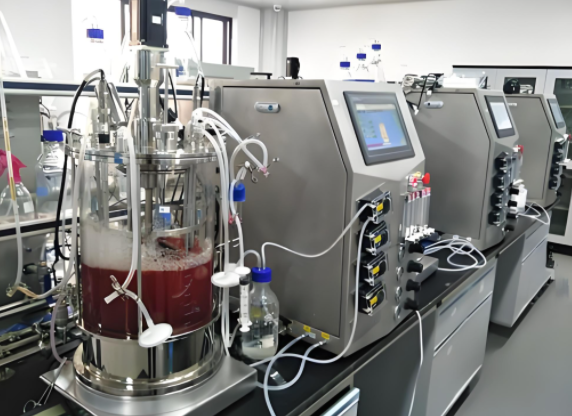
In laboratories where controlled and accurate fluid movement is vital for experiments and research, linear peristaltic pumps are frequently used. They are particularly valuable in fields such as biology, environmental monitoring, and other scientific disciplines.
These pumps ensure that fluids, whether simple or complex, are dispensed with exceptional precision, enabling highly controlled experiments and accurate data collection. Their precision makes them indispensable in both academic research and industrial applications.
Part 5. How to Choose Linear Peristaltic Pump?
Choosing the right linear peristaltic pump involves considering several important factors to ensure it meets your specific needs. Here’s a guide on how to select the best linear peristaltic pump:
1. Determine the Flow Rate Requirements
Flow Rate is one of the most crucial factors when choosing a linear peristaltic pump. You need to know the required flow rate for your application to ensure the pump meets your needs.
Linear peristaltic pumps offer precise flow control and the flow rate can be adjusted based on pump head speed. It’s essential to match the pump’s capacity with your system’s flow demands.
Pumps are typically rated in milliliters per minute (mL/min) or liters per hour (L/h). Make sure to choose a pump that can deliver a flow rate slightly higher than your maximum required capacity to prevent overflow.
2. Check the Fluid Compatibility
Material Compatibility: The pump materials, including the tubing and pump head, must be compatible with the fluid being transferred. Some fluids, such as corrosive chemicals or high-temperature liquids, may require pumps made of specialized materials such as stainless steel, PTFE, or other corrosion-resistant materials.
Viscosity: If you are transferring high-viscosity fluids (e.g., gels, oils), ensure the pump is capable of handling such materials. Linear peristaltic pumps can typically handle a wide range of viscosities, but it’s important to verify whether the model you choose can meet those requirements.
Particles and Contaminants: If the fluid contains particles or is prone to contamination, linear peristaltic pumps are an excellent choice as they prevent direct contact between the pump mechanism and the fluid, reducing the risk of contamination.
3. Evaluate the Pump’s Tubing
The tubing is one of the key components in peristaltic pumps. Different materials, such as silicone, PVC, or other elastomers, have varying degrees of flexibility, durability, and chemical resistance.
Flexibility and Durability: Choose tubing with the appropriate flexibility to match your pump design. Flexible tubing will allow for smoother operation and less wear and tear. Consider the expected lifespan of the tubing, as it will need to be replaced periodically depending on usage.
Tube Size: The diameter of the tubing will impact the flow rate. Larger diameter tubes allow for higher flow rates, but you should select tubing that matches your required flow rate and pump specifications.
4. Consider the Pump Speed Control
Many linear peristaltic pumps offer variable speed control, which allows you to adjust the flow rate based on your application needs.
Look for a pump with precise speed control if you require high accuracy in fluid delivery. Some pumps offer digital or manual controls, while others provide automation options for easier operation.
Consistency: If you need a consistent and stable flow, choose a pump with steady speed control mechanisms to avoid fluctuations in the delivered flow.
5. Assess the Pressure Range
Different applications require different pressure capabilities. Check the maximum operating pressure for the linear peristaltic pump you are considering. For applications involving high-pressure systems (such as in industrial chemical applications), ensure the pump is rated for higher pressures.
Some pumps are designed for low-pressure fluid handling, while others can handle high pressures—ensure you choose the correct one based on your system requirements.
6. Pump Size and Footprint
Depending on your workspace or system layout, you may need to consider the pump’s size. Linear peristaltic pumps come in various sizes, and compact models are available for applications where space is limited.
Space Efficiency: Be sure the pump fits within your available space and can be easily integrated into your system.
7. Power Source and Energy Efficiency
Some linear peristaltic pumps are powered electrically, while others are pneumatically operated. Consider the available power source in your facility and choose the appropriate pump.
Energy Efficiency: If energy consumption is a concern, look for pumps that are energy efficient and optimized for your flow needs. A pump with energy-efficient motors will lower long-term operational costs.
8. Maintenance and Longevity
Ease of Maintenance: Check how easy it is to maintain and service the pump. Linear peristaltic pumps are known for being low-maintenance, but it’s still important to ensure that parts such as the tubing are easily replaceable.
Durability: Look for pumps made from durable materials that can handle continuous operation without frequent breakdowns.
9. Cost and Budget
Initial Cost: Linear peristaltic pumps can vary greatly in price depending on the features, flow rate, and materials. Consider your budget and choose a pump that provides the best value for your application.
Operating Costs: Besides the initial purchase cost, consider the long-term operational costs, including maintenance, energy consumption, and tubing replacements.
10. Manufacturer and Support
Choose a reliable manufacturer with a reputation for quality and strong customer support. Good customer service can be critical, especially for troubleshooting, parts replacement, or technical advice.
Warranty and Support: Ensure the pump comes with a reasonable warranty and that technical support is readily available if needed.

Part 6. JIHPump – Best Linear Peristaltic Pump Manufacturer
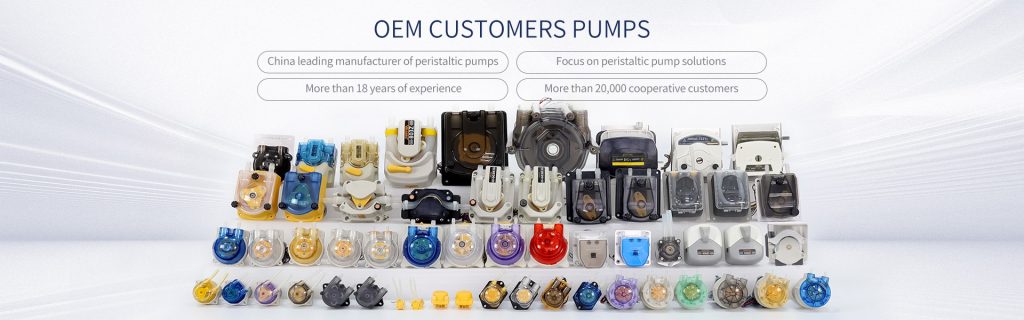
When it comes to choosing a reliable and high-quality linear peristaltic pump for your fluid handling needs, JIHPump stands out as a top manufacturer. Known for its advanced technology, superior performance, and exceptional customer service, JIHPump provides solutions that cater to various industries, including pharmaceuticals, food and beverage, chemical processing, and environmental management.
Below, we explore what makes JIHPump the best choice for your linear peristaltic pump needs.
Why Choose JIHPump for Linear Peristaltic Pump?
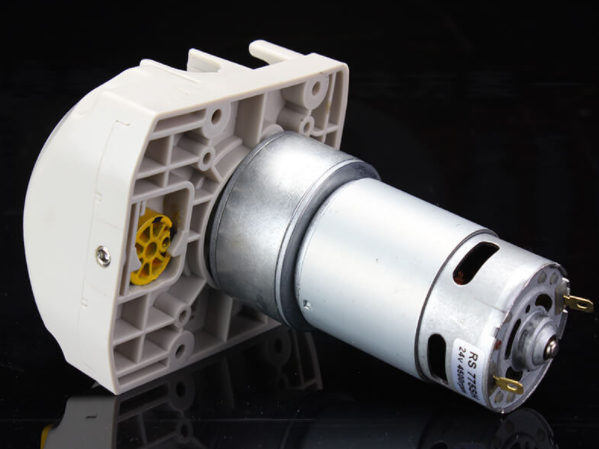
Precise Flow Rate & Speed Control: JIHPump linear peristaltic pumps offer precise flow control, allowing you to meet specific flow rate requirements. The pumps are compatible with various drive motors, such as ordinary DC, DC planetary, and stepper motors, allowing you to adjust the flow rate based on your requirements.
High-Quality Tubing: JIHPump offers tubing made from high-quality materials such as silicone, PVC, and other elastomers, ensuring durability and chemical resistance.
Low Maintenance and Longevity: JIHPump’s linear peristaltic pumps are designed for low maintenance, with easily replaceable parts like tubing. Made of durable materials, they can withstand continuous operation, ensuring long-lasting performance and reducing the need for frequent repairs or replacements.
Exceptional Customer Support: JIHPump is committed to providing outstanding customer support. From initial consultation to post-purchase maintenance, their dedicated support team is always ready to assist with technical queries, troubleshooting, and offering solutions to ensure optimal pump performance.
Final Thoughts
Linear peristaltic pumps, with their contamination-free fluid transfer, high-precision control, and resistance to corrosion, have become essential equipment in various industries. By selecting the right linear peristaltic pump, you can improve work efficiency and maintain product quality.
If you have any questions about linear peristaltic pumps or would like to learn more about peristaltic pump, don’t hesitate to contact JIHPump, it will provide professional advice and solutions tailored to your needs.