
Why Peristaltic Pump Tubing Fails and How to Fix It?
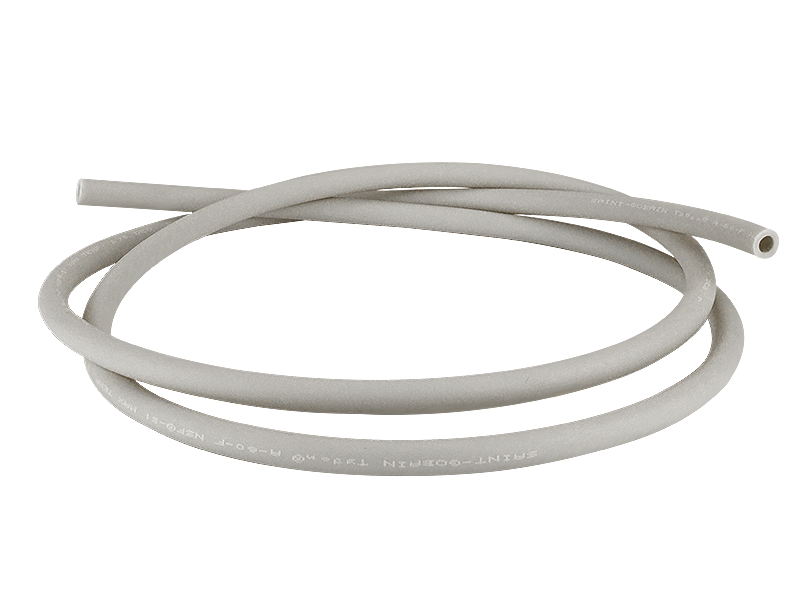
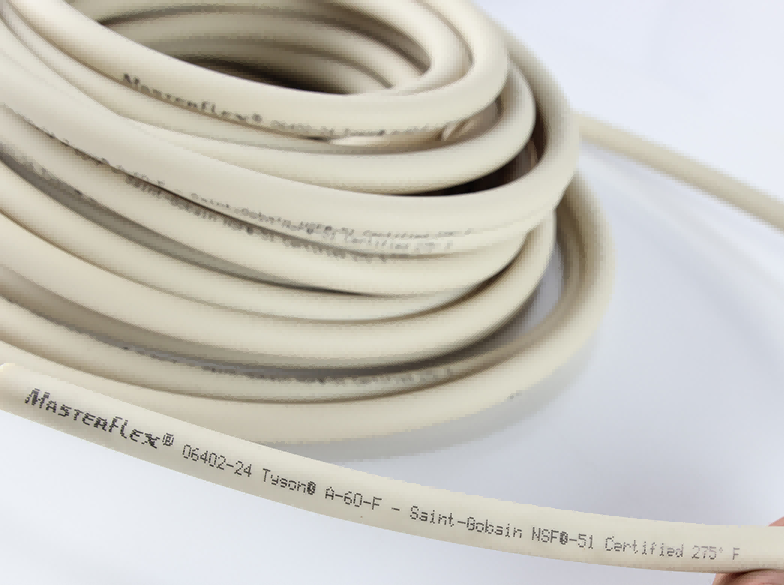
The flexible hose of the peristaltic pump, as a consumable part of the peristaltic pump, may suffer various damages during use. Under normal circumstances, when the pump rotates at 100 revolutions per minute to transport liquid at room temperature, the lifespan of the silicone hose can reach 200-400 hours. The imported A-60-F pump hose can last up to 2000-10000 hours. However, during the usage process, improper installation of the peristaltic pump hose or the corrosive nature of the liquid can cause the hose pump to wear out prematurely and abnormally. If not handled properly, these faults will lead to process downtime, product loss, and increased maintenance costs.
So, what exactly are the causes of the failure of the peristaltic pump pipeline? This article will conduct an analysis on this issue.
How Peristaltic Pump Tubing Works
Peristaltic pumps operate using a simple but demanding mechanical principle. Rollers or shoes rotate along the tubing path, compressing the tube against the pump housing. This compression pushes fluid forward while the tube’s natural elasticity allows it to rebound and draw in more fluid.
In this process, tubing simultaneously performs multiple roles:
- It acts as the fluid pathway
- It forms the pressure boundary
- It provides sealing during occlusion
- It creates suction during recovery
Because tubing is repeatedly compressed and released thousands — often millions — of times, it is continuously exposed to cyclic fatigue. Each rotation generates stress within the material structure. Over time, this stress accumulates and gradually weakens the tubing.
Additionally, tubing may experience chemical exposure, temperature changes, internal pressure, and mechanical friction. These combined stresses explain why tubing is considered a wear component and requires planned replacement rather than reactive replacement after failure.
Main Reasons Peristaltic Pump Tubing Fails
Tubing failure typically appears as visible damage or performance changes. By looking at these symptoms, we can identify root causes and apply appropriate preventive measures.
Mechanical Cutting Damage Caused by Improper Tubing Installation
If the damaged flexible hose appears as a sharp cut like one made by a knife, it is usually caused by the rotating wheel and flange edge of the peristaltic pump head.
The main reason for this kind of damage is usually that the flexible hose inside the pump head is too long. When the pump head is in operation, the hose vibrates inside the pump head and comes into contact with the flange edge of the rotating wheel. The flange edge continuously rubs and cuts the hose. This damage process is very fast, and it usually completely breaks down within about ten minutes. At the same time, a lot of hose debris will be produced inside the pump.
Solution:
- When installing the pump tube, make sure the pump tube inside the pump head is straightened, and there should be no excessive soft tubes trapped inside the pump head.
- At the position close to the pump head where the pump tube is clamped at the inlet and outlet of the flexible hose, attach a special plastic clamp to prevent the flexible hose of the peristaltic pump from loosening and shifting during operation.
Severe Wear and Flattening Due to Rotor Jamming, Friction, or Excessive Speed
The hose is completely flattened, losing its elasticity, the wall thickness of the hose has decreased, and the surface is severely worn.
This phenomenon is usually caused by the jamming of the rotor, impurities on the contact surface between the pulsator block and the pump tube, or excessive speed. After the rotor of the pulsator head is jammed, the rotor of the pulsator directly scrapes over the pulsator hose, which will increase the friction on the surface of the hose, causing the surface temperature of the hose to rise very high and wear the surface of the hose.
The excessively high temperature will also cause the hose to lose elasticity. In extreme cases, the temperature may exceed 140 degrees or even cause the hose to melt and deform.
Solution:
Pay attention to checking whether the rotor of the peristaltic pump head is operating smoothly; pay attention to cleaning the surface of the pump head’s pressure pipe; appropriately reduce the operating speed of the peristaltic pump.
Chemical Degradation Caused by Tubing–Fluid Incompatibility
The peristaltic pump hose may be used to transport different liquids. Some liquids can cause corrosion and dissolution in certain hoses. If we observe phenomena such as the hose becoming brittle, hard, losing elasticity, changing color, swelling, or being damaged, it is usually because the hose is unable to transport this type of liquid.
Solution:
Find a hose material that will not be corroded by the liquids being transported. There are many types of pump hoses available for selection, and they can provide reference data for most liquid chemical compatibility tests. Detailed chemical compatibility tables are also provided for your reference, helping you make an accurate choice of hose. You can also conduct immersion experiments with some hose samples to determine whether the hose will not be corroded by the liquids.
When Should You Replace Tubing?

Because tubing failure is predictable, replacement should be planned rather than reactive. Waiting until rupture occurs can lead to unexpected downtime and contamination risks.
- Visual inspection provides the most immediate indicators. Signs such as surface cracks, whitening, stickiness, swelling, flattening, or discoloration suggest material degradation. Any visible structural change should trigger replacement planning.
- Performance changes are equally important signals. Flow instability, reduced suction, increased pulsation, calibration drift, or unusual noise often indicate that tubing elasticity has declined. Even without visible damage, these symptoms suggest the tubing is approaching the end of its service life.
- Replacement timing can be based on several approaches. Time-based replacement uses scheduled intervals derived from historical experience. Cycle-based replacement estimates tubing life according to pump speed and operating hours. Application-based replacement considers fluid aggressiveness, pressure, and duty cycle. In critical processes, predictive maintenance combining inspection and performance monitoring provides the most reliable strategy.
In general, replacing tubing before failure reduces risk, stabilizes performance, and lowers total operating cost compared with emergency replacement after rupture.
Related Articles: Peristaltic Pump Tube Replacement: A Step-by-Step Guide