
Secrets to Extending Peristaltic Pump Tubing Life: 5 Practical Tips
A peristaltic pump transports fluids continuously and accurately by using a drive mechanism to rotate rollers, which compress the tubing and push fluid forward. The peristaltic pump consists of three core components: a drive, a pump head, and pump tubing. Widely used in modern industry and laboratories, peristaltic pumps are ideal for fluid handling due to their self-priming, contamination-free, precise, and gentle delivery.
However, peristaltic pump tubing plays a critical role in efficient pump operation. Its service life directly affects the performance and cost-effectiveness of the peristaltic pump. This article introduces five practical strategies to significantly extend the life of peristaltic pump tubing and ensure stable performance of your pumping system.
1. Select the Right Material for Your Fluid
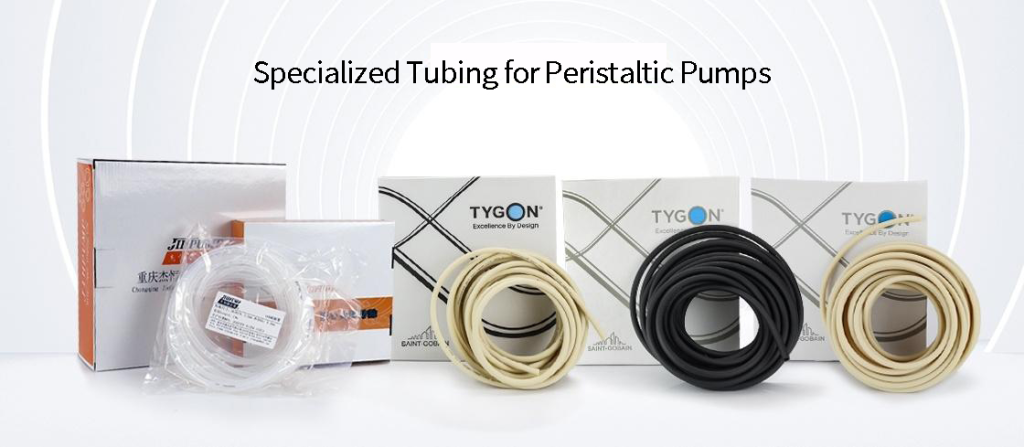
Peristaltic pumps handle a wide range of fluids, from aqueous solutions to corrosive reagents. Choosing the correct peristaltic pump tubing material is the top priority. For example, fluoropolymer tubing offers excellent chemical resistance to strong acids and alkalis, while silicone tubing is preferred for food and biological applications. The right material resists chemical attack and effectively prolongs tubing life.
Use these five criteria to choose the best tubing material:
1) Chemical Compatibility of the Fluid
Select tubing based on chemical compatibility charts.Thoroughly analyze the fluid’s chemical composition. For corrosive fluids, use highly chemical-resistant materials such as fluororubber or fluoropolymers. For neutral or non-corrosive fluids, silicone or PVC tubing is usually sufficient.Note that chemical resistance decreases as temperature rises, so extra caution is required in high-temperature environments.
2) Operating Temperature
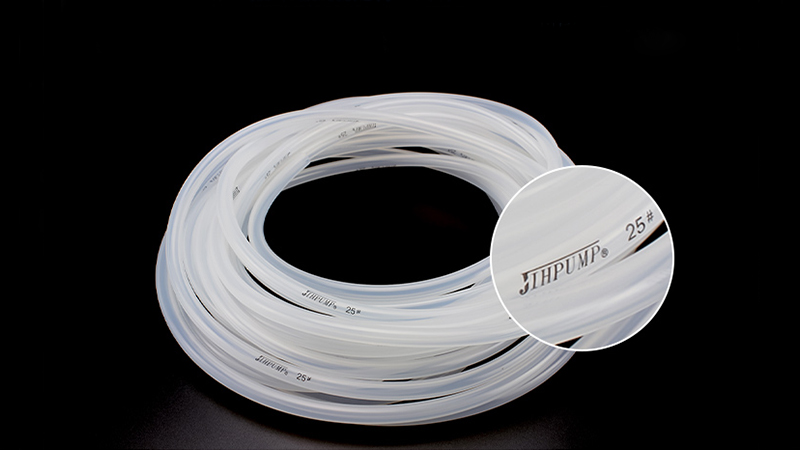
Choose tubing according to its temperature resistance specifications.Temperature resistance varies by material. Silicone rubber is popular for its wide operating range and stability under both high and low temperatures. Always confirm that the tubing can perform reliably within your system’s actual temperature range, especially under fluctuating temperatures, which affect both chemical resistance and pressure durability.
3) Fluid Viscosity
Higher viscosity fluids require tubing with greater hardness, thicker walls, and smaller inner diameters.For viscous liquids or colloidal solutions, use tubing designed for high-viscosity transfer to overcome flow resistance and maintain pumping efficiency.
4) Gas Tightness and Sensitivity to Gases
Low gas permeability helps preserve fluid purity.For oxygen-sensitive or anaerobic fluids (e.g., oxidizable reagents or biological cultures), avoid high-permeability materials such as standard silicone. Choose low-permeability tubing to prevent gas penetration that could degrade the fluid.
5) Light Sensitivity vs. Visibility
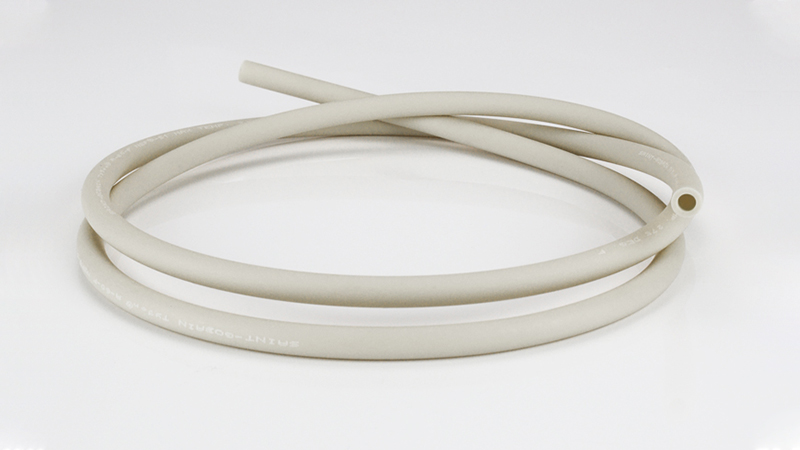
Balance visibility and fluid protection.Transparent materials (e.g., polyethylene or silicone) allow visual monitoring. For light-sensitive fluids, use opaque tubing to block light and prevent degradation.
2. Install Tubing Properly
Correct installation is critical to extending tubing life.Follow the manufacturer’s guidelines: install the tubing evenly without twisting, and avoid over-tightening or excessive slack. Proper pre tension and alignment reduce uneven stress and early wear. Regularly check and adjust tubing position for long-term stability.
3. Set Operating Parameters Reasonably
Operating parameters such as speed and pressure directly affect tubing life.Excessively high speed increases friction, may cause overheating, and accelerates aging. Set parameters based on the pump performance curve and actual demand, and avoid unnecessary high-speed operation.
4. Perform Regular Maintenance and Timely Replacement
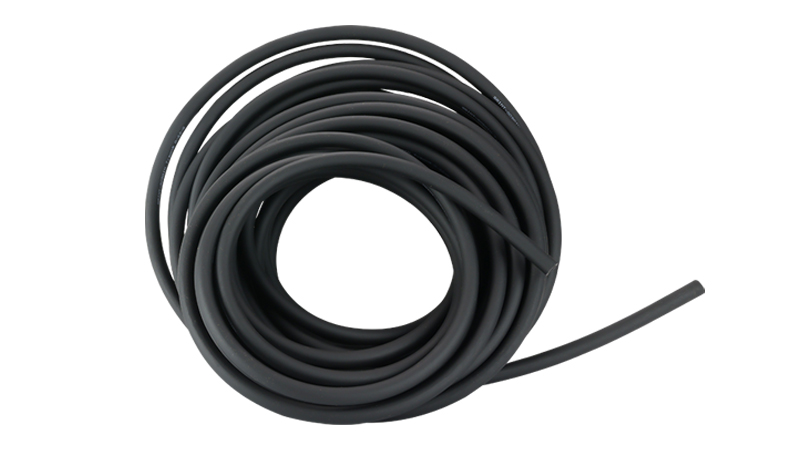
Clean and inspect the pump and tubing regularly to remove particles and chemical residues, reducing abrasion and corrosion.Monitor for signs of wear: surface cracks, hardening, or swelling. Replace tubing at the first sign of damage, even if not fully failed, to avoid unexpected downtime.
5. Optimize Storage Conditions When Not in Use
When idle, remove tubing from the pump head to avoid permanent deformation from prolonged compression.Store tubing in a cool, dry place away from direct light and harmful chemicals. For long-term storage, keep tubing in its original packaging or a protective sleeve to maintain cleanliness and elasticity.
Conclusion
These five strategies greatly improve tubing durability, ensure stable and efficient peristaltic pump performance, reduce maintenance costs, and increase productivity. Every detail in daily operation matters, as they together form the foundation of reliable fluid delivery with peristaltic pumps.