
What is Chemical Dosing Pump? All You Need to Know
Water treatment, chemical processing, pharmaceuticals, and food production all have the need for the accurate delivery of chemical dosing into systems. A chemical dosing pump is designed to do just this efficiently, precisely, and safely. In this post, we explore all facets of chemical dosing pumps in depth, including their definition, functions, structural details, applications areas, and key selection criteria.
Part 1. What is a Chemical Dosing Pump?
Chemical dosing pumps are used to inject precise doses of acids, alkalis, disinfectants or nutritional solutions into a system. Also referred to as dosing pumps or chemical injection pumps, these metering pumps measure flow rate and dosing period to ensure safe addition of chemicals into systems.
Chemical dosing pumps differ from traditional pumps in that they feature precision accuracy and are often made from corrosion-resistant materials, enabling them to meet process needs efficiently and ensure proper chemical balance and system safeguards. They can even be automated depending on process requirements for maximum efficiency and safety.
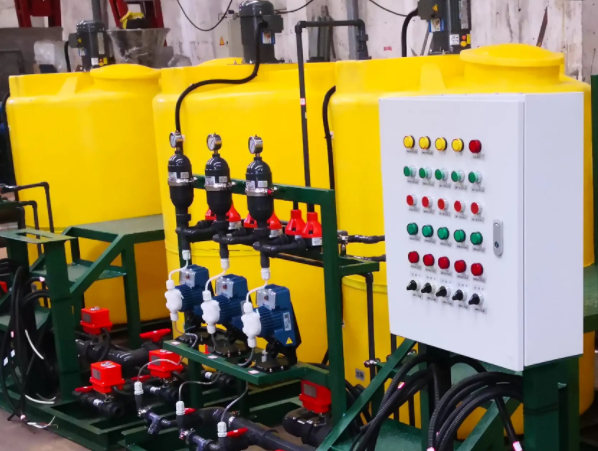
Chemical Dosing Pumps Common Applications:
- Water Treatment: Chlorination, dosing of acid or alkali solutions to manage pH regulation.
- Agriculture and Horticulture: Automatic liquid fertilizer and pesticide injection systems.
- Chemical and Pharmaceutical Industries: Corrosive reagents and culture solutions of nutrient transfer.
- Food and Beverage: Preservatives and flavoring addition.
- Laboratories: Experimental dosing of trace chemicals under controlled conditions.
Part 2. Types of Chemical Dosing Pumps
Chemical dosing pumps come in various types designed to meet different application and fluid types. Some examples are:
1. Diaphragm Dosing Pump
Diaphragm dosing pumps utilize a flexible diaphragm connected to either a mechanical or hydraulic actuator in order to deliver chemicals at high pressures, ideal for fluids that are free of solid particles and uncorrosive fluids.
Their sealed design protects from leakage as well as corrosion-inhibiting fluids; making these safe and reliable options for most industrial settings.
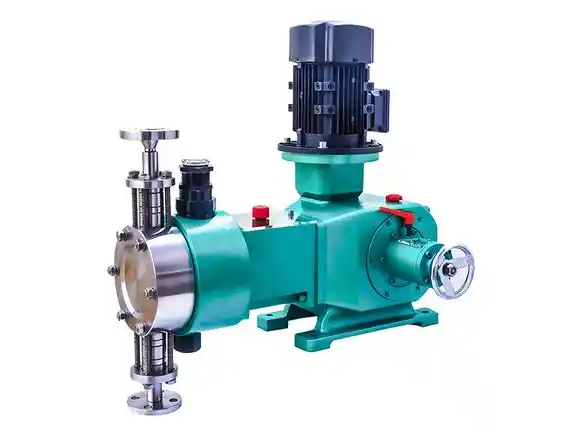
2.Plunger (or Piston) Dosing Pump
Plunger dosing pumps employ a piston that slides back and forth within a cylinder to create precise high-pressure flow. While suitable for industrial settings with higher pressures, these pumps need fluid that does not degrade them quickly in order to work properly; furthermore, due to their mechanical operation and sealing requirements they often require regular maintenance visits.
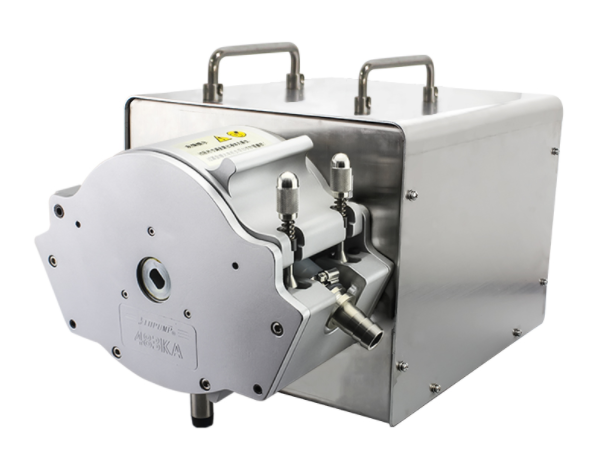
3.Peristaltic Dosing Pump (Recommended Type)
Peristaltic pumps work by rollers compressing and moving a flexible tube, which propels the liquid forward. The arrangement offers the following significant advantages:
- The fluid only comes into contact with the tubing, completely sealing off the pump housing from the fluid, preventing leakage and contamination.
- No valves are needed, so the pump can handle fluids with suspended particles or high viscosity.
- The tubing is the sole wetted part, replacement is quick, simple, and cost-effective.
- Suitable for highly corrosive or biologically active fluids due to the materials of the tubing.
- Accurately controls flow, especially for low-dose continuous chemical injection.
Due to these, peristaltic pumps are strongly recommended for use in chemical dosing applications such as water disinfection, laboratory sampling, bioreactor feeding, and chemical reagent supply.
4.Other Types
Gear Pumps: Use meshing gears to transport fluids, usually for low-pressure continuous flow. Less common in precise dosing but used if fluids are clean and less corrosive.
Diaphragm Metering Pumps with Electronic Control: Advanced-technology versions of diaphragm pumps that have electronic drives to ensure extremely accurate and programmable dosing.
Electromagnetic Dosing Pumps: Use electromagnetic actuators to drive the diaphragm to supply smooth and accurate dosing, widely applied in water treatment.
Part 3. How Does Chemical Dosing Pump Work?
Different types of chemical dosing pumps operate in distinct ways, but all have one basic purpose: to pump chemicals accurately and controllably.
1. Electromagnetic Diaphragm Pumps
They work by an electromagnetic coil operating a diaphragm in alternating directions to achieve suction and discharge strokes to propel the chemical fluid in a precise way.
2. Mechanically Driven Plunger Pumps
In plunger pumps, a cam or crankshaft drives a piston (plunger) in a cylinder. The movement of the piston pressurizes the fluid and forces it out through the outlet with controlled flow.
3. Peristaltic Pumps
Peristaltic pumps utilize rotating rollers that crush and squeeze pliable tubing to propel liquid forward with no pulse-like movements or pulse-less, pulsed movements.
Since no fluid comes into direct contact with any moving parts of the pump but only with tubing, this pump offers increased protection from contamination as it’s immune to chemicals which might otherwise corrode it or be hazardous for use.
Of these, peristaltic pump tubing compression principle provides higher cleanliness and corrosion resistance, and is thus specifically suited for dosing duty where cross-contamination must be avoided.
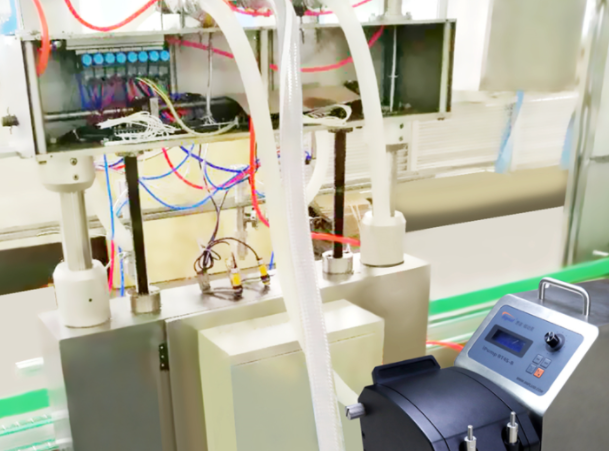
Part 4. Structure of Chemical Dosing Pumps
Regardless of the type, most chemical dosing pumps contain a standard list of basic structural components that offer precise and reliable injection of chemicals. These will typically consist:
Pump Housing: The outside casing that protects the internal components and provides structural support. It is most often made of corrosion-proof materials to withstand harsh chemicals.
Driving Mechanism: This can vary depending on the pump type, such as electric motors, electromagnetic drivers or pneumatic motors. It serves to power internal components like diaphragms, pistons and rollers in order to create fluid flow.
Control Panel or Interface: Most dosing pumps include some form of control system ranging from manual knobs and simple digital displays to complex PLC integration, providing operators with a means to regulate flow rates, dosing frequency and monitor performance.
Suction and Discharge Ports: These are intake and exit ports by which chemical liquids move in and out of the pump. These are built to offer a leak-free safe flow path.
Flow Regulation System: Quite commonly integrated to properly regulate the volume and the injection rate of chemicals. The system may include variable speed drives, stroke length control, or pulse modulation depending on pump design.
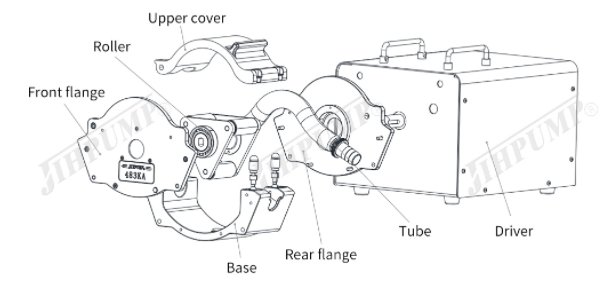
Peristaltic Dosing Pump Structure
Peristaltic pumps, with their neater and cleaner design, have a more elegantly streamlined structure based mainly on:
Roller Compression System: A set of rollers or shoes mounted on a rotor compresses and decompresses a flexible tube in a circular motion, propelling the fluid in the tube through.
High-Elasticity Tubing: The tubing itself is in direct contact with the chemical liquid. Made of materials like silicone, PVC, or special elastomers, it possesses excellent chemical resistance and is highly flexible.
Drive Motor: Typically an electric motor to rotate the roller assembly at preselected speeds in order to regulate flow rate.
Control Unit: Similar to other dosing pumps, it offers a way to set and regulate dosing parameters, often with digital interfaces or integration capability.
This simple design gives peristaltic pumps special advantages such as easy servicing (since tubing is the only component that requires replacement), high levels of hygiene (no pump fluid component contact), and minimum possibilities of leakage or clogging. Such features also render them particularly suitable for dosing corrosive, viscous, or sterile fluids.
Part 5. How to Choose the Right Chemical Dosing Pump?
When choosing a dosing chemical pump, some important factors should be taken into account to make sure the pump can serve your system economically and reliably:
Chemical Dosing Pump Selection Guide
| Selection Criteria | Description | Recommended Pump Type |
| Dosing Flow Rate and Pressure | Calculate the maximum and minimum flow rates and the required discharge pressure of your system. | For high pressure and accurate dosing: Plunger or diaphragm pumps. For low pressure: Peristaltic pumps. |
| Type of Liquid | Consider whether the liquid contains particles, is highly corrosive, or biologically active. | For fluids with particles, corrosive or bioactive: Peristaltic pumps (due to isolated tubing and high resistance). |
| Control Method | Determine if remote control, automation, or system integration is needed. | Diaphragm pumps with electronic control or peristaltic pumps with digital interfaces are ideal for automation. |
| Installation and Maintenance | Evaluate ease of installation, cleaning, and expected maintenance frequency. | Peristaltic pumps require minimal maintenance (only tubing replacement); diaphragm and plunger pumps may need more frequent service. |
| Budget and Usage Frequency | Weigh initial investment against long-term operational cost based on how often the pump will be used. | Peristaltic pumps are cost-effective in maintenance; diaphragm/plunger pumps suit heavy-duty, continuous operation but have higher initial costs. |
Note: In cases where the fluid is particulate, has air bubbles, or is highly corrosive, peristaltic dosing pumps are usually the best choice due to their unique tubing-based structure that won’t clog or contaminate.
Part 6. JIHPump – Your Expert in Peristaltic Dosing Pump Solutions
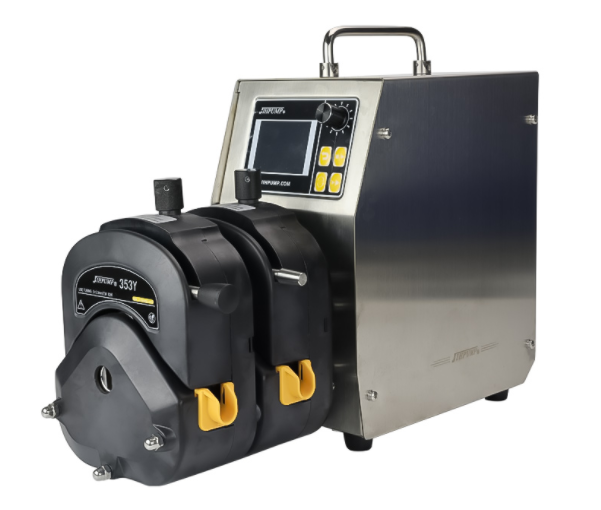
JIHPump is a dedicated manufacturer of peristaltic pumps that specializes in delivering high-quality, low-maintenance, and multi-scenario chemical dosing solutions to markets all around the world. From water treatment to laboratory automation to chemical handling, our pumps are designed to deliver accuracy, strength, and flexibility.
What JIHPump Provides – Reliable Solutions for Chemical Dosing
At JIHPump, we provide chemical dosing-specific high-performance peristaltic pumps. Our pumps are precision engineered for durability and seamless integration in water treatment, chemical processing, pharmaceutical, and laboratory applications.
Stringent Quality Assurance
Each pump is thoroughly tested for quality to satisfy the strict requirements of chemical dosing, particularly in environments that include corrosive, sensitive, or high-purity fluids.
Almost 20 Years of Expertise
With years of expertise in accurate fluid transfer, we understand chemical dosing difficulties and offer pumps that are designed for precision, corrosion resistance, and long performance life.
Innovation with Focused R&D
Supported by 30+ patents and trade secrets, our technology experts lead continuous innovation in peristaltic pump efficiency, delivering steady and low-maintenance dosing systems.
In Conclusion
Chemical dosing pumps are an essential part of today’s industrial automation. Choosing the best pump not only enhances system performance but also guarantees a safe and stable chemical treatment operation.
In the event that you are looking for a secure, easy-to-integrate, and reliable dosing solution, JIHPump peristaltic pumps are certainly a valuable and intelligent investment.